
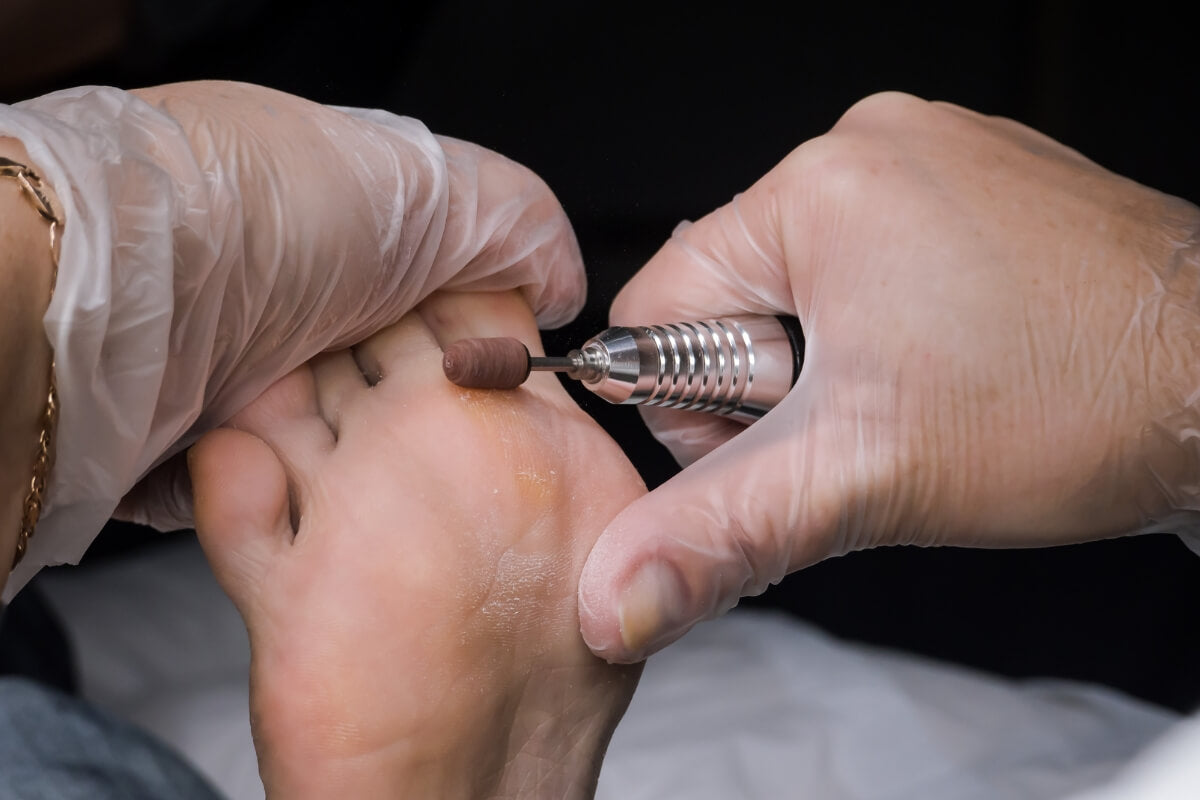
If you've ever wondered why those hardened areas appear on your feet, you're not alone. Three out of ten people suffer from calluses almost daily , and around 35% of Spaniards experience this phenomenon at some point in their lives. But did you know that not all calluses are a cause for concern?
The appearance of calluses on the feet represents our body's intelligent response to external aggressions. They are our skin's way of protecting itself from repeated friction and pressure. However, distinguishing between a normal protective response and a warning sign that requires professional attention can make the difference between maintaining healthy feet and developing more serious complications.
What exactly are calluses and corns?
To understand when we should be concerned, it is first essential to understand what these skin thickenings actually are.
Scientific definition: hyperkeratosis
Calluses, also known medically as hyperkeratosis, are thickenings of the stratum corneum of the skin caused by the accumulation of dead cells. This process represents a natural defense mechanism that our body activates when it detects repeated mechanical aggressions in the same area.
The word hyperkeratosis comes from the Greek "uper" (above) and "keratos" (damage to the stratum corneum of the epidermis). It is a physiological phenomenon that aims to strengthen the epidermis's resistance to external aggressions through the accelerated production of keratinocytes.
The training process
When an area of skin is repeatedly subjected to pressure or friction, vascular compromise occurs where blood flow is altered.
This lack of blood in the tissues leads to a lack of oxygen and nutrients in the cells that suffer these pressures, so they end up dying prematurely before normal desquamation.
This process creates a cycle that can be both protective and problematic: if the pressure initially caused this lack of blood flow, that pressure is now increased by the thickness of the injured skin, which can cause even more discomfort.

Types of calluses: knowing the differences
Not all calluses are the same. Understanding the different types helps us identify when a callus is normal and when we should seek professional help.
Calluses (diffuse hyperkeratosis)
Corns are large, superficial calluses characterized by poorly defined edges and a yellowish hue due to excess keratin. They form on the surface layers of the skin and generally do not cause significant pain or discomfort.
These calluses usually appear in large areas such as the sole of the foot, especially the forefoot and heel. Their formation primarily responds to distributed pressure patterns and is usually a normal adaptive response of the body.
Helomas (localized hyperkeratosis)
Corns are more concentrated, deeper, and more specific calluses. Depending on their location, they can cause significant discomfort or pain when rubbing or walking. Corns are classified into several types:
Plantar heloma or plantar nail: These appear on the sole of the foot due to friction and pressure on bony areas. They are usually small but very deep, and are more painful when rubbed and walked because they directly impact nerve endings.
Interdigital corn (or "corn"): This lesion is located between the toes, most often between the fourth and fifth toes. It is characterized by its round appearance with a reddened center. It has a rubbery consistency due to excess moisture.
Dorsal helomas: These are lesions that appear on the top of the toes due to friction with footwear. They are very common in people with deformities such as claw, hammer, or mallet toes.
Cul-de-sac heloma: Appears in the soft area that joins two toes, is usually painful and occurs most frequently between the fourth and fifth toes.
When calluses are normal: adaptive responses
Calluses aren't always pathological. In many cases, they represent a completely normal and healthy response from our body.
Functional calluses
Athletes and sportspeople frequently develop calluses in specific areas related to their activity. A runner may develop calluses on the sole of the foot as a natural response to repeated impacts. These functional calluses:
- They do not cause significant pain.
- They remain stable in size.
- They do not interfere with normal activity.
- They appear in logical areas according to the activity performed.
Occupational calluses
Calluses on the hands of manual laborers, musicians, or athletes represent a classic example of a normal protective adaptation. Farmers and rowers develop calluses on their hands that prevent painful blisters from developing.
Calluses and corns do not need treatment unless they cause pain.
Signs of normality
A callus can be considered normal when:
- There is no spontaneous pain.
- Does not interfere with daily activities.
- It remains stable in size and thickness.
- It does not present inflammatory signs (redness, heat, swelling).
- It appears in areas consistent with the activity or footwear worn.

When to worry: warning signs
There are specific circumstances in which calluses cease to be a normal adaptive response and become a problem requiring professional attention.
Pain and inflammation
Pain is the main indicator that a callus has exceeded the limits of normal. If a callus causes discomfort when walking, wearing shoes, or even at rest, this is a situation that requires evaluation.
Problematic calluses may present with:
- Pain when rubbed or pressed.
- Burning sensation.
- Inflammation in the surrounding area.
- Persistent redness.
Changes in appearance
Changes in the appearance of a callus may indicate complications:
- Rapid increase in size.
- Color changes (especially darkening).
- Presence of cracks or fissures.
- Discharge or bleeding.
- Formation of associated blisters.
Recurrent calluses
The constant reappearance of calluses in the same area, especially after treatment, suggests an underlying cause that has not been addressed:
- Biomechanical problems.
- Structural deformities of the foot.
- Chronic inadequate footwear.
- Changes in weight distribution.

Risk factors: when surveillance is essential
Certain medical conditions and personal circumstances require special attention in the management of calluses.
Diabetes and circulatory problems
People with diabetes are at greater risk of developing serious complications. Diabetic neuropathy can make them less aware of the pain of calluses, while circulatory problems hinder healing.
In these cases, even seemingly minor calluses can develop into serious ulcers and infections.
Neuropathies and sensitivity problems
Disorders affecting foot sensation (peripheral neuropathies, neurological injuries) make it difficult to detect callus problems early. These individuals should have their feet inspected regularly and seek professional evaluation if any changes occur.
Vascular problems
Disorders of blood circulation compromise healing capacity and increase the risk of infection. People with peripheral arterial disease, venous insufficiency, or a history of thrombosis require specialized follow-up.
Immunosuppression
Compromised immune systems (due to medication, chemotherapy, transplants, HIV) significantly increase the risk of infection in the event of a callus injury.
Common Mistakes: What You Should Never Do
Improper management of calluses can turn a minor situation into a serious problem.
Use of callicides
Under no circumstances should corns, calluses, or corns be treated at home with these chemical products. Callus removers contain acids that do not eliminate the cause of the problem, but rather cause wounds and burns in the skin, aggravating the condition. If their use is necessary, it should only be done in a specialized podiatry clinic.
Homemade cutting or scraping
Cutting or scraping calluses at home poses significant risks:
- Injury to healthy tissues.
- Bacterial infection.
- Excessive bleeding.
- Worsening of the original problem.
The cut must be performed exclusively by healthcare professionals using the appropriate instruments and aseptic conditions.
Aggressive home remedies
Avoid unproven home treatments that can cause chemical or thermal burns:
- Household acids (concentrated vinegar, lemon).
- Excessive heat.
- Abrasive products.
- Non-sterile instruments.

The role of biomechanics: beyond symptomatology
Calluses may be the visible manifestation of underlying biomechanical problems that require correction to prevent their recurrence.
Analysis of pressure distribution
A biomechanical study can identify the points of greatest pressure when walking on a pressure plate. This information is crucial for:
- Determine the real cause of calluses.
- Design specific treatments.
- Prevent relapses.
- Improve overall foot function.
Correction using templates
Custom insoles can redistribute pressure on the foot, relieving stress in the most sensitive areas and allowing calluses to heal naturally.
Footwear modifications
Improper footwear is responsible for most problematic calluses. A professional evaluation can identify problems such as:
- Incorrect sizes.
- Inadequate lasts.
- Poorly breathable materials.
- Designs that concentrate pressure.
Professional Treatment: When to Seek Help
Recognizing the right time to seek professional attention can prevent complications and speed problem resolution.
Indications for podiatric consultation
You should consult a podiatrist when:
- Calluses cause pain or discomfort.
- They interfere with your daily activities.
- They constantly reappear after home treatment.
- They present changes in appearance or size.
- You have risk factors (diabetes, circulatory problems).
- You need a differential diagnosis with other injuries.
Professional treatments available
Podiatry: This is the most common treatment, which involves carefully removing the callus layer by layer with specialized instruments. The podiatrist uses scalpels that vary in shape and size depending on the type of injury.
Biomechanical studies: They allow us to identify underlying causes and design personalized prevention strategies.
Custom insoles: Correct pressure distribution and prevent recurrence.

Prevention: the key to foot care
Prevention remains the most effective strategy for keeping your feet free of problematic calluses.
Daily foot care
Regular moisturizing is essential to maintain skin flexibility and prevent excessive accumulation of dead skin cells. Apply specific moisturizing creams for feet, paying special attention to dry areas.
Proper hygiene includes daily washing with warm water, thorough drying (especially between the toes), and regular visual inspection to detect early changes.
Appropriate selection of footwear
Footwear must:
- Fit properly without pressing or being loose.
- Provide adequate support to the plantar arch.
- Be made of breathable materials.
- Have enough room in the toe.
- Renew when it shows signs of wear.
The role of technical socks
Socks are a significant element in callus prevention. Podoks biomechanical socks are specifically designed to:
- Reduce friction between the foot and the shoe.
- Improve pressure distribution.
- Provide support in specific areas of the foot.
- Facilitate perspiration and keep the foot dry.
These socks can be especially beneficial for people prone to developing calluses or who engage in high-impact activities.
Special cases: situations that require immediate attention
There are specific circumstances in which calluses require urgent evaluation, regardless of other factors.
Signs of infection
Seek immediate medical attention if you notice:
- Redness that extends beyond the callus.
- Localized heat.
- Purulent discharge.
- Bad smell.
- Fever or general malaise.
- Red lines extending from the affected area.
Ulceration
If a callus breaks open , forming a wound, it requires immediate professional treatment to prevent infection and promote proper healing.
Severe pain
Pain that significantly interferes with walking or daily activities should not be tolerated. A professional evaluation can identify the cause and provide prompt relief.

The comprehensive approach: beyond local treatment
Problematic calluses are rarely an isolated problem. A comprehensive approach considers all the factors that may contribute to their development.
Postural assessment
Postural problems can lead to abnormal weight distribution, which can lead to the development of calluses. The evaluation may include:
- Gait analysis.
- Study of body alignment.
- Assessment of muscle function.
- Identification of trade-offs.
Nutritional factors
Nutritional status influences skin health. Deficiencies in vitamins A, E, and C, as well as essential fatty acids, can impair skin's regenerative capacity.
Physical activity
The type and level of physical activity should be considered in both assessment and treatment. Athletes may require specific strategies that do not interfere with their performance.
Conclusions: Balancing normality and pathology
Calluses represent a perfect example of how our body adapts to the environment , but they can also be early indicators of problems that require correction.
The key is developing the ability to distinguish between a normal adaptive response and a situation that requires intervention. Factors such as pain, interference with daily activities, the presence of predisposing medical conditions, and recurrence of the problem are clear indicators that professional evaluation is needed.
Prevention through proper foot care , appropriate footwear selection, and the use of technical elements such as biomechanical socks remains the most effective strategy. However, when prevention isn't enough, early professional intervention can prevent significant complications.
Remember that your feet are with you throughout your life. Investing in their care and understanding their specific needs translates into years of mobility and well-being. Don't wait for pain or functional limitations to force you to act: preventive care and awareness of the warning signs are the best tools for maintaining healthy and functional feet.
-----
Scientific references:
MSD Manual. (2024). Corns and Calluses - Skin Disorders. MSD Manual Consumer Version. Merck Sharp & Dohme LLC.
Mayo Clinic. (2024). Corns and calluses - Symptoms and causes. Mayo Clinic Professional Resources.
Podoactiva. (2024). Foot corns or calluses: what they are, how to treat them, and how to prevent them. Journal of Clinical Podiatry.
COPOMUR - Professional College of Podiatrists of Murcia. (2023). Types of calluses on the feet: Causes and treatment. COPOMUR Scientific Bulletin.
Cigna Healthcare. (2024). Calluses and Corns - Medical Guide. Cigna Medical Resources.
MedlinePlus. (2024). Corns and calluses. U.S. National Library of Medicine, National Institutes of Health.




Leave a comment
All comments are moderated before being published.
This site is protected by hCaptcha and the hCaptcha Privacy Policy and Terms of Service apply.