
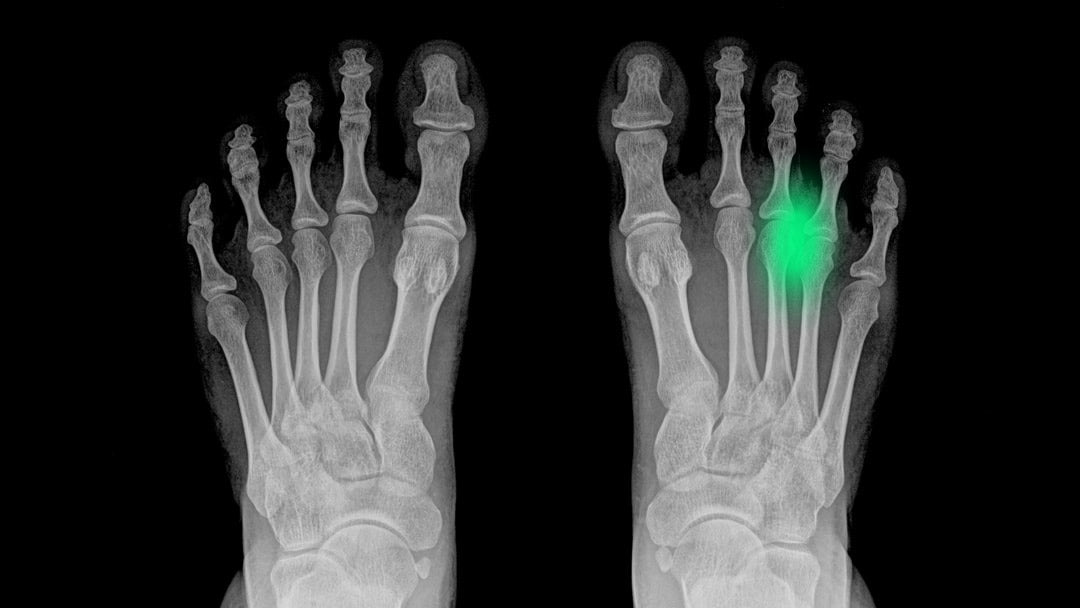
What is Morton's neuroma?
Morton's neuroma is a nerve disorder that affects the plantar interdigital nerve, usually between the third and fourth toes. It is a thickening of the tissue surrounding the nerve due to repeated irritation or compression.
This condition causes symptoms such as stabbing pain, a sensation of electric shock, burning, or even numbness in the forefoot. Many people describe the sensation as like "stepping on an invisible pebble" inside their shoe. The pain can be so intense that it prevents normal walking or physical exercise.
Neuroma often develops in people who wear tight-fitting shoes with high heels or poor cushioning, as these characteristics put excessive pressure on the forefoot, especially between the metatarsals.
Main causes
The causes of Morton's neuroma are usually directly related to the biomechanics of the foot and the type of footwear typically worn, but vary from case to case.
Individual anatomical factors
Some people naturally have a narrow space between their metatarsals , which favors compression of the digital nerves. This anatomical predisposition can make the nerve more easily irritated, even without obvious external factors.
Overweight
Being overweight or obese significantly increases pressure on the forefoot , especially when walking or standing for long periods. This additional load increases the risk of nerve compression and accelerates the development of neuromas.
High impact or repetitive activities
Sports such as running, soccer, paddle tennis, and similar activities require repeated movements that cause microtrauma to the metatarsal area. Repeated impacts to the same area can irritate the nerve and cause it to thicken progressively. In these cases, the use of Podoks as a preventative treatment is highly recommended.
Biomechanical alterations of the gait
One of the most underestimated causes of Morton's neuroma is biomechanical alterations in the way you walk. Although many people associate the problem solely with footwear, the truth is that an unbalanced gait can significantly increase compression on the plantar interdigital nerve.
For example, excessive pronation —when the foot rolls too far inward while walking or running—causes the forefoot to roll inward and narrow the gap between the metatarsals. This creates a "scissor-like effect" that compresses the digital nerves, especially between the third and fourth toes, promoting inflammation.
Similarly, excessive pressure on the forefoot , common in people with hollow feet or who walk on their toes, can increase pressure on the metatarsal area. This sustained excess pressure irritates the nerve and facilitates the formation of neuromas. Our footprint can reveal our type of gait:

Postural asymmetries (such as differences in leg length, hip deviations, or muscle imbalances) can also alter the distribution of loads when walking, causing one foot to work improperly.
That's why it's so important to have your gait examined by a specialized podiatrist. This analysis allows for identifying gait imbalances and areas of overload, and tailoring personalized treatment, whether with orthopedic insoles, postural retraining exercises, or shoe adjustments.
Wearing shoes with a narrow toe box
Among the external risk factors that don't directly depend on our body but rather on an element such as footwear, one of the main ones is wearing shoes with narrow toe boxes, which compress the toes and reduce the natural space between them. This creates friction and continuous pressure on the interdigital nerve, which progressively becomes inflamed.
Heels or shoes with a high drop
Prolonged use of heels or shoes with a high drop (heel height much higher than the forefoot) also promotes this compression, as it shifts the body's weight toward the forefoot, overloading the metatarsals.
In addition, people with certain deformities such as bunions, claw toes, hollow feet (high arches) or flat feet (low arches) are also more predisposed to developing this condition, since their structure favors load imbalances and repetitive compressions.
In all cases, the trapped nerve generates a chronic inflammatory response that triggers pain and other characteristic symptoms.
In runners, repetitive impact on hard surfaces such as asphalt and wearing improper or worn shoes can aggravate the problem.
Prevention: Healthy habits for your feet
Preventing Morton's neuroma is possible by adopting healthy habits every day. The first step is to take care of the type of footwear we wear.
Wide toe, cushioned shoes
One of the pillars of Morton's neuroma prevention is wearing shoes with a wide toe box. This type of design allows the toes to stay aligned and move freely, avoiding lateral compression that can irritate the plantar interdigital nerve. When the toes are squeezed by a narrow toe box, the space between the third and fourth metatarsals is reduced, generating constant friction on the nerve and promoting inflammation.
Furthermore, space in the toe box alone isn't enough: shoes must have good cushioning in the forefoot, especially for people who walk or run frequently. This cushioning helps better distribute the loads when the foot lands, reducing the pressure peaks that aggravate the pain. A hard, flat shoe, or one with a very thin sole directly transmits impacts to the compressed nerve, worsening symptoms.
Balanced Drop
The "drop" is the difference in height between the heel and the forefoot of a shoe. A balanced drop—around 8 to 12 mm —is ideal for most people, as it allows for even weight distribution while walking or running. An inadequate drop forces the forefoot to bear more weight with each step, which increases stress on the metatarsal area and the interdigital nerve.
This imbalance, if sustained for weeks or months, can contribute to the development of conditions such as Morton's neuroma. Therefore, if you exercise regularly, it's essential that your shoes have a moderate drop and a sole that provides good stability and motion control, especially in the forefoot. As always, a podiatrist's assessment of your gait is highly recommended.
Alternate the type of footwear
A simple and effective recommendation is to alternate the shoes you wear throughout the day or throughout the week. Why is this important? Because each shoe generates a different pattern of plantar pressure and activates different foot muscles. By varying shoes, we prevent stress from accumulating in the same areas, which can help prevent repetitive overload, which is the cause of injuries such as neuromas.
For example, you can pair sneakers with comfortable casual shoes, or even wear anatomical sandals at home. This "biomechanical variability" reduces the stiffness of the foot's structures and promotes more balanced tissue use.
Strengthen and mobilize your feet
Our feet contain more than 100 muscles, tendons, and ligaments, many of which become weakened by the continued use of restrictive footwear or a sedentary lifestyle. Performing specific foot mobility and strengthening exercises can make the difference between a healthy foot and a painful one.
Simple activities such as:
- Pick up a towel from the floor with your toes,
- Roll a massage ball under the arch of the foot,
- Stretch your fingers by consciously separating them,
- Or walking barefoot on uneven surfaces (when there is no contraindication),
They are excellent for maintaining muscle tone and tissue elasticity. Furthermore, regular visits to the podiatrist allow for early detection of abnormalities in gait or toe alignment that could lead to neuroma if not corrected.
Recommended treatments
Once Morton's neuroma is diagnosed, treatment will depend on the degree of progression and the impact on the patient's quality of life. In the early stages, podiatrists recommend changing to more suitable footwear with thick soles, good cushioning, and a wide toe box. This reduces direct pressure on the inflamed nerve.
The use of custom orthotic insoles is one of the most effective tools. These insoles include a small pad (metatarsal barrier) that redistributes pressure in the forefoot, preventing it from falling on the compressed nerve. They also help correct structural imbalances such as flat or hollow feet, improving the overall gait.
In more complex cases, physical therapy may include techniques such as ultrasound-guided injections with anesthetics or corticosteroids , radiofrequency, or manual therapy to relieve inflammation. Surgery is only resorted to as a last resort, when conservative treatments fail to improve after several months.
Important contraindications
It's important to understand that not all treatments or products on the market are suitable for this condition. For example, compression socks can be very beneficial for other conditions such as plantar fasciitis or muscle fatigue, but they are contraindicated for Morton's neuroma , as the additional compression can aggravate symptoms.
Although Podoks are an advanced biomechanical solution for a multitude of foot conditions, they should not be used by people with Morton's neuroma without professional supervision . We always recommend consulting with your trusted podiatrist, who will assess whether using Podoks is appropriate given its biomechanical benefits, or whether custom insoles or other interventions would be better.
Avoiding a professional diagnosis or using over-the-counter products can delay recovery and make pain chronic.




Leave a comment
All comments are moderated before being published.
This site is protected by hCaptcha and the hCaptcha Privacy Policy and Terms of Service apply.