
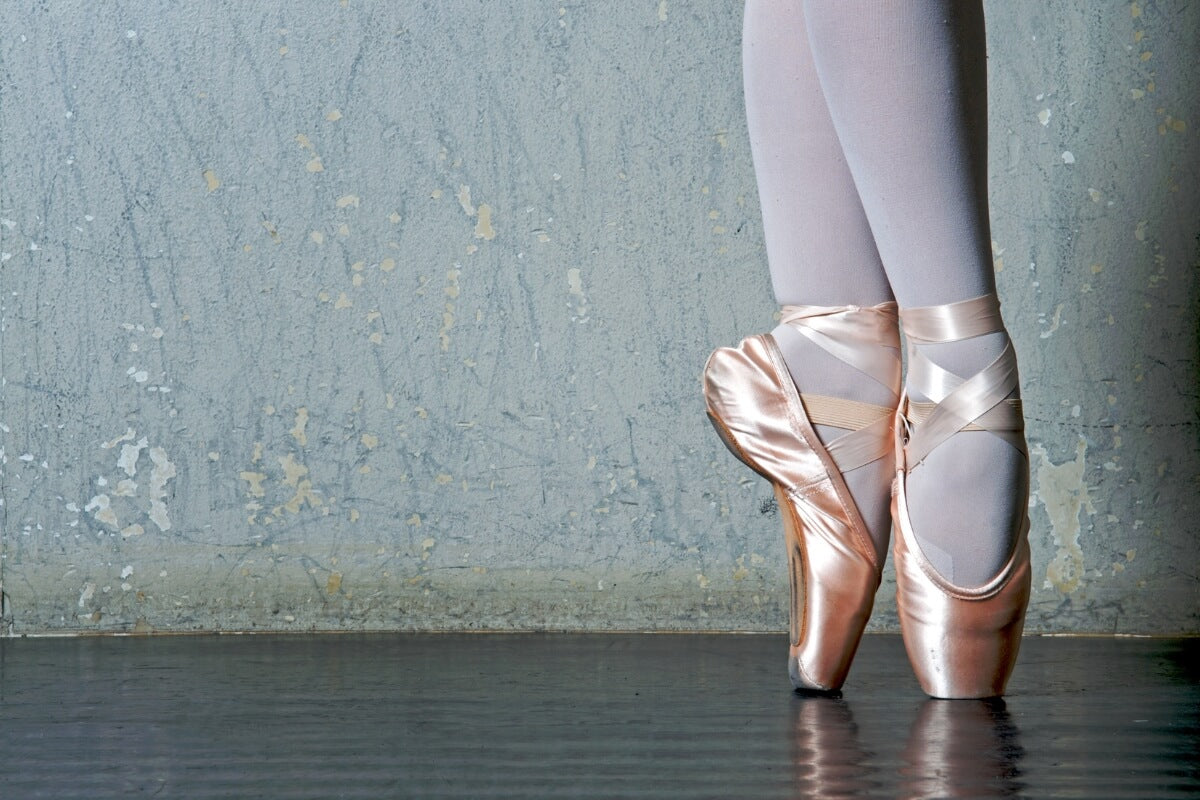
Ballet represents one of the most physically demanding art forms, where the feet are not simply limbs, but the true working tools of the dancers.
The elegance and grace we observe on stage conceal a complex biomechanical reality: every movement, every position, and every jump subjects the feet to forces and pressures that far exceed the demands of everyday physical activity.
We can consider dancers as athletes since they require physical abilities, often with a certain degree of sophistication, where athletic attributes such as muscular strength and endurance, as well as speed, agility, coordination, motor control, and psychological preparation are necessary.
This athletic nature of dance makes specialized podiatric care a necessity, not a luxury.
The biomechanical demands of ballet on the feet
Ballet imposes unique biomechanical demands that go far beyond what the human foot experiences in everyday activities or even other sports.
Extreme positions and their consequences
Classical dance is characterized by positions that challenge the natural anatomy of the foot. The pointe technique places the entire body weight on the distal phalanges of the toes, creating pressures that can exceed 12 kilograms per square centimeter at the tip of the big toe.
This position, maintained for hours of training and performance, generates specific structural adaptations in the dancers' feet.
The extreme dorsal extension work characteristic of ballet subjects the ankle to ranges of motion that significantly exceed normative values.
While an untrained person has a maximum plantar flexion of 50 degrees, dancers can reach 90 degrees or more, requiring extraordinary adaptability of ligaments, tendons, and joint structures.
External rotation: a biomechanical challenge
One of the fundamental characteristics of classical ballet is the external rotation of the lower limbs, known as "en dehors."
This position, which seeks to keep the feet pointed outwards, does not originate in the feet but in the hip joint.
The muscles responsible for this movement include the piriformis pelvicis, the superior and inferior gemini, the quadratus femoris, and the internal and external obturator muscles.
When this rotation is not executed correctly from the hip, compensation occurs in the ankle and foot, which can generate biomechanical imbalances and predispose to specific injuries.

The most common foot injuries in ballet
Scientific research has extensively documented the prevalence of injuries in dancers, providing data that illustrates the magnitude of the challenge these artistic athletes face.
Anatomical distribution of lesions
Epidemiological studies show that injuries in dancers follow a specific anatomical distribution pattern. The ankle accounts for 39% of all injuries, followed by the foot at 23%, the hip at 20%, and the knee at 18%.
This distribution reflects the specific demands of ballet technique on the lower extremities.
Tendon injuries are a predominant condition, with flexor tendonitis of the big toe being one of the most characteristic and specific injuries in classical dance.
This injury, rare outside of ballet, results directly from pointe work and can manifest as a "blockage" of the tendon that prevents the dancer from properly utilizing the strength of the big toe during the en pointe technique.
Impact on quality of life
Scientific research has shown that female dancers score significantly lower on quality of life dimensions linked to foot health compared to non-dancers.
This finding underscores the importance of implementing specific preventive and therapeutic strategies for this population.
The prevalence of podiatric problems in dancers ranges from 11% to 95% according to different studies, a variability that reflects both the diversity of research methodologies and the different definitions of "podiatric problem" used in the scientific literature.
Specific injuries: identification and understanding
Understanding the most common injuries in dancers is essential for developing effective preventive strategies and recognizing warning signs early.
Hallux valgus (bunions)
Hallux valgus is the most common condition among dancers, with a prevalence significantly higher than that of the general population. In ballet, this deformity is directly related to the work on the big toe and the impact of the specific shape of pointe shoes.
This condition is usually bilateral and has a direct relationship between the practice of classical ballet and the age of onset.
Ballerinas who begin pointe training at a younger age are at greater risk of developing severe hallux valgus throughout their career.
Flexor hallucis longus tendonitis
This injury is considered pathognomonic in classical ballet dancers, as its occurrence outside of this discipline is extremely rare. It is characterized by mild to moderate pain along the course of the tendon, radiating posteromedially from the ankle to the medial aspect of the subtalar joint.
The injury typically manifests when the foot is plantarflexed and the dancer is asked to flex the big toe against resistance, producing pain or crepitus along the course of the tendon.
Plantar fasciitis
Plantar fasciitis in dancers has specific characteristics related to the demands of dance. Pain in the heel area, caused by irritation of the plantar fascia's insertion into the calcaneus, can be especially limiting as it compromises pointe technique, jumps, and landings.
Talar tail syndrome
Talar tail syndrome occurs when the soft tissues at the back of the ankle are compressed during repetitive plantar flexion, which is characteristic of pointe work.
This syndrome can be caused by working with weight placed backward or returning to dancing after a prolonged period of inactivity.
Stress fractures
Stress fractures of the metatarsals, especially the second and third metatarsals, result from the continuous and repetitive stresses characteristic of intensive training. These injuries may initially go unnoticed, manifesting as diffuse pain that gradually localizes and intensifies.

Prevention strategies: a multidisciplinary approach
Injury prevention in dancers requires a comprehensive approach that combines biomechanical, technical, and medical knowledge.
Specialized biomechanical evaluation
The biomechanical study of the gait takes on specific characteristics in dancers, as it must evaluate not only normal gait but also movement patterns specific to dance.
Using pressure platforms allows you to identify overload points during specific technical movements and design customized corrective strategies.
These studies should be performed periodically throughout a dancer's career, as adaptations and possible injuries can alter biomechanical patterns over time.
Specific strengthening
Strengthening the intrinsic foot muscles is essential for maintaining stability and control during the technical demands of ballet. Toe yoga exercises and targeted plantar muscle training can significantly improve the feet's ability to withstand the demands of training.
Strengthening the posterior chain, especially the muscles responsible for external hip rotation, can prevent compensations at the foot and ankle that predispose to injury.
Adequate technical progression
Progression toward pointe training should follow strict biomechanical criteria rather than chronological ones. The dancer must demonstrate sufficient strength in the intrinsic foot muscles, adequate ankle range of motion, and a solid basic technique before beginning pointe training.
The duration and intensity of training should be progressively increased, allowing the anatomical structures to gradually adapt to the specific demands of the technique.
Specific care during the activity
Foot care during training and performance requires specific protocols that go beyond general podiatric care.
Pre-workout preparation
A specific warm-up should include progressive joint mobilization of the ankle and foot, stretching the posterior chain, and activation of the intrinsic muscles of the foot. The temperature of the training room also plays an important role, as cold muscles and tendons present a greater risk of injury.
The preparation of pointe shoes is an art in itself that requires specific technique. Every dancer must learn to adapt their shoes using "breaking" techniques that allow for optimal flexibility without compromising the necessary support.
Management during training
Technique control should be prioritized over intensity, especially when muscle fatigue sets in. Studies show that when a dancer's muscles fatigue, their technical mechanics deteriorate, and they lose their protective ability to prevent injury.
Hydration is especially important since dehydration can affect the elasticity of tendons and ligaments, increasing the risk of injury.
Post-workout care
Active cooling should include specific stretches and myofascial release techniques. Ice application can be controversial in the context of dance, as some experts suggest it can interfere with natural adaptation and recovery processes.
Visual inspection of the feet after each session allows for early detection of signs of overload such as redness, inflammation, or skin lesions.

Professional podiatric treatment
The therapeutic approach to injuries in dancers requires a specific understanding of the demands of dance and the athlete's performance goals.
Specialized chiropody
Chiropody sessions for dancers go beyond aesthetic care; they are a functional necessity to maintain the health of feet subjected to extreme pressure. Regular removal of calluses and corns prevents excessive growth, which could interfere with technique or create pathological pressure points.
Nail care requires specific techniques that take into account the pressure they are subjected to during tip work. The cut should be straight to prevent ingrown toenails, but with a slight rounding of the edges to avoid injury to adjacent toes.
Specific plantar orthoses
Insoles for dancers present unique design challenges, as they must provide biomechanical correction without interfering with the proprioceptive sensitivity necessary for ballet technique. They are often designed for use exclusively during everyday activities, allowing the foot to function freely during training and performances.
Complementary therapies
Specialized dance physical therapy includes specific manual therapy techniques, neuromuscular rehabilitation exercises, and recovery protocols tailored to the demands of the discipline.
Acupuncture and other complementary medicine techniques have proven effective in managing pain and improving recovery in dancers, always as a complement to conventional treatment.
Footwear: Beyond Pointe Shoes
Although pointe shoes receive the most attention, the footwear dancers wear outside of their artistic activity plays a fundamental role in preventing injuries and optimizing recovery.
Features of recovery footwear
Everyday footwear for dancers must meet specific criteria to promote recovery and prevent overload. It should provide adequate longitudinal arch support, cushioning in the heel and forefoot, and sufficient toe room.
The heel height should be minimal to allow for stretching of the posterior chain, which is often shortened by prolonged plantar flexion. Materials should be breathable to prevent maceration and fungal infections.
Footwear for specific activities
During injury recovery periods, footwear may require specific modifications such as metatarsal bars, weight-loss wedges, or additional cushioning materials.
For complementary fitness activities, footwear should be tailored to the specific activity, prioritizing protection and support over aesthetic considerations.

The importance of socks: an underestimated element
Socks are an often underestimated element in a dancer's overall foot care, especially during activities outside the dance studio.
Specific functions of socks in ballerinas
During everyday activities, dancers' feet require specific support and protection to compensate for the structural adaptations developed by their artistic discipline. Technical socks can provide graduated compression that improves circulation, especially important for feet that have developed specific vascular adaptations.
Moisture management is crucial to prevent maceration and fungal infections, common problems in feet that have developed calluses and structural changes that can create microenvironments conducive to the growth of microorganisms.
Podoks Comfort Socks: Support During Recovery
The Podoks Comfort range has been specifically designed to meet the needs of feet that require additional support during daily activities. For dancers, these socks offer specific benefits that complement their foot care routine.
The biomechanical properties of these socks provide arch support, more even pressure distribution, and reduced muscle fatigue during daily activities. This is especially valuable for dancers who need to optimize their recovery between training sessions.
The technical materials used in the Comfort range promote breathability and maintain a dry environment, reducing the risk of fungal infections and skin maceration, common problems in feet subjected to the demands of ballet.
Graduated compression improves return circulation, facilitating the elimination of waste metabolites and reducing the inflammation that can build up after intense training sessions.
Integration into daily routine
Wearing technical socks during daily activities allows dancers' feet to benefit from continuous support without interfering with their technique during training. This passive care strategy complements active prevention and treatment measures.
During periods of active rest or complementary fitness activities, these socks can provide the additional support your feet need while maintaining the freedom of movement necessary for daily activities.

Adaptations of the dancer's foot: normal vs. pathological
Distinguishing between normal adaptations and pathological changes is crucial for the proper management of dancers' feet.
Adaptations considered normal
Increased range of motion in plantar flexion and greater flexibility of the subtalar joint represent beneficial physiological adaptations that improve technical performance.
Specific calluses in areas of increased pressure during pointe work can be considered normal protective adaptations, as long as they do not cause pain or interfere with function.
Changes in arch morphology may be adaptive and not necessarily pathological, especially if not accompanied by pain or functional limitation.
Pathological warning signs
Persistent pain that does not improve with rest or interferes with daily activities requires immediate professional evaluation.
Structural changes that develop rapidly or are accompanied by persistent inflammation may indicate pathological processes that require intervention.
Functional limitations that affect technique or prevent the performance of previously mastered movements should be evaluated by a specialized professional.
Nutrition and hydration: fundamentals of foot health
Specific nutrition for the health of feet subjected to extreme demands requires special considerations.
Specific micronutrients
Calcium and vitamin D are essential for bone health in feet subjected to repetitive loading that can predispose to stress fractures.
Omega-3 fatty acids can help modulate the inflammatory response, especially important in the context of chronic overload.
Vitamin C is essential for the synthesis of collagen, which is essential for the health of tendons and ligaments subjected to extreme stress.

Psychological Considerations: The Mind in Foot Care
The psychological aspect of foot care in dancers is often underestimated but fundamental to the success of any therapeutic strategy.
Acceptance of limitations
The competitive nature of ballet can cause dancers to ignore pain or discomfort, which can lead to serious complications. Education about the importance of preventative care and early detection of problems is critical.
Impact on artistic identity
Podiatric problems can significantly affect dancers' identity and self-esteem. The therapeutic approach should consider these psychological aspects and provide emotional support in addition to physical treatment.
Targeted hydration
Adequate hydration affects soft tissue elasticity and can influence susceptibility to injury. Dancers should maintain optimal hydration, especially during periods of intensive training.
Final conclusions and recommendations
Foot care for dancers transcends the simple treatment of injuries to become a specialized discipline that requires a deep understanding of the biomechanical, technical, and artistic demands of ballet.
Prevention remains the most effective strategy, but it requires a multidisciplinary approach that includes regular biomechanical assessment, targeted strengthening, appropriate technical progression, and specialized care both during and outside of artistic activity.
Wearing support devices such as Podoks Comfort socks during daily activities represents a passive care strategy that can significantly complement active prevention and treatment measures.
Collaboration between dancers, dance teachers, specialized podiatrists, and physical therapists is essential to developing individualized strategies that allow these artistic athletes to maintain healthy feet while pursuing excellence in their discipline.
Recognition that dancers are high-performance athletes must translate into access to specialized medical care and prevention strategies comparable to those available to elite athletes in other disciplines.
Finally, continuing education in podiatric care should be an integral part of dancers' training from an early age, establishing care habits that will last throughout their artistic careers.
-----
Scientific references:
López-López, D., et al. (2020). Women's Foot Health–Related Quality of Life in Ballet Dancers and Nondancers. Journal of the American Podiatric Medical Association, 110(4), Article_3.
Jacobs, C.L., et al. (2022). Biomechanical Risks Associated with Foot and Ankle Injuries in Ballet Dancers: A Systematic Review. International Journal of Environmental Research and Public Health, 19(8), 4916.
Podoactiva. (2025). Feet in dance. Most common injuries and how to prevent them. Journal of Sports Podiatry.
COPOMUR - Professional College of Podiatrists of Murcia. (2023). Most common foot injuries in dancers. COPOMUR Scientific Bulletin.
Southeast Podiatry. (2024). Dance Medicine: Prevention and Treatment of Ballet Injuries. Clinical Practice Guidelines.
Fuensalud Clinic. (2023). Podiatric treatment of feet in dance. Department of Podiatry.


Leave a comment
All comments are moderated before being published.
This site is protected by hCaptcha and the hCaptcha Privacy Policy and Terms of Service apply.