
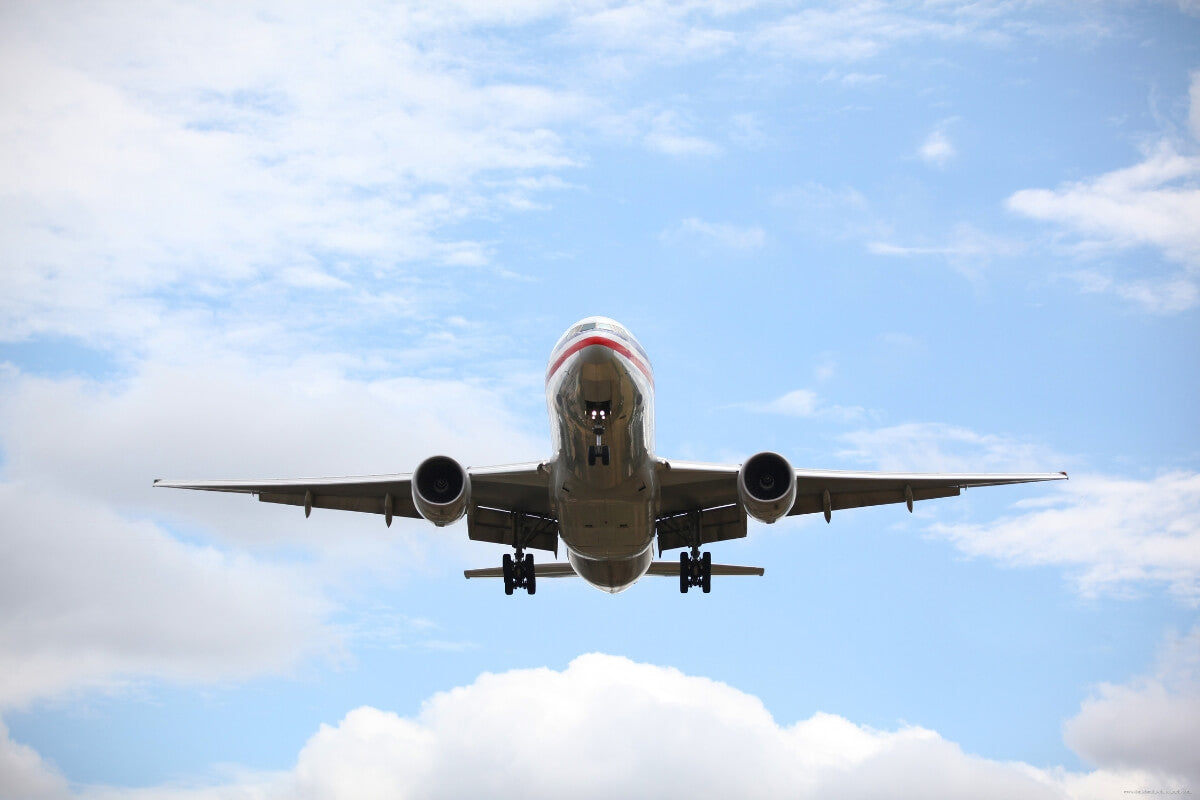
Long trips, whether by plane, car, train, or bus, can be a grueling experience for our feet. More than 300 million people travel on long-haul flights each year, and many more take long road trips. However, few travelers consider the impact these journeys can have on the health of their feet and leg circulation.
Prolonged immobility, pressure changes, and space restrictions during travel can trigger problems ranging from simple swelling to serious complications such as deep vein thrombosis.
Understanding these risks and knowing the right prevention strategies can make the difference between arriving at your destination feeling refreshed and renewed, or experiencing discomfort that affects your enjoyment of your trip.
Podiatric health risks during long trips
Long trips present unique challenges for our circulatory system and the health of our feet. The combination of factors such as immobility, altered atmospheric pressure (in the case of flights), and awkward postures can create conditions conducive to the development of health problems ranging from minor discomfort to potentially serious complications.
Deep vein thrombosis (DVT)
Deep vein thrombosis is undoubtedly the most serious complication associated with long-distance travel. This condition occurs when a blood clot forms in the deep veins of the legs, usually in the calf or thigh. Although the absolute incidence is relatively low, the consequences can be devastating.
According to research conducted by the World Health Organization (WHO) through the WRIGHT project, the risk of developing venous thromboembolism approximately doubles after trips of four hours or more.
However, even with this increased risk, the absolute risk of developing DVT if you remain sitting still for more than four hours is still relatively low, about 1 in 6,000.
Flights of 8 to 10 hours or more pose the greatest risk. In some cases, DVT resolves on its own, but in more severe cases, it can cause pain, swelling, and warmth in the affected leg, or break away and travel to the blood vessels of the lungs, causing a pulmonary embolism.
Additional risk factors:
- Be over 40 years old.
- Suffer from obesity.
- Extreme height (more than 1.9 meters or less than 1.6 meters).
- Use of oral contraceptives.
- Hereditary bleeding disorders.
- Pregnancy and the postpartum period.
- Recent surgery.
- Personal or family history of blood clots.
Swelling and edema
Swelling of the feet and ankles during travel is extremely common and usually harmless, but it can be very uncomfortable. This condition, known medically as edema, occurs when fluid accumulates in the tissues of the lower extremities.
During long flights or car rides, factors such as low cabin pressure, dehydration, and prolonged immobility contribute to blood pooling in the legs. When we sit for extended periods without moving, blood can begin to accumulate in certain areas, primarily the legs.
Specific causes of edema during travel:
- Immobility reduces the effectiveness of the calf muscle pump.
- Changes in atmospheric pressure affect fluid distribution.
- Dehydration alters electrolyte balance.
- Forced postures compress blood vessels.
Economy class syndrome
Although this term has been popularized to describe various problems associated with long journeys in confined spaces, medically it refers specifically to circulatory problems caused by prolonged immobility in cramped seats. Economy class seats, with their limited legroom, exacerbate these problems by further restricting movement and compressing blood vessels.
Preparation before the trip
Proper preparation before your trip can significantly reduce the health risks to your feet and improve your comfort throughout your journey. Planning should begin days, or even weeks, before your departure, especially if you have risk factors for circulatory problems.
Prior medical consultation
If you have a history of blood clots, circulatory problems, have had recent surgery, or have other risk factors, it's crucial to consult your doctor before embarking on a long trip.
Your doctor may recommend specific preventive measures, such as blood-thinning medications or specialized compression devices.
Choosing the right footwear
Selecting footwear for long trips requires a balance between comfort, functionality, and ease of use. During long flights or car rides, your feet tend to swell, so you need shoes that accommodate these changes.
Characteristics of the ideal footwear for traveling
Comfort above all: Shoes should be comfortable from the first moment you wear them. This isn't the time to break in new shoes or wear shoes that require a break-in period. If you can't wear them all day without discomfort, you probably shouldn't take them on a trip.
Ease of putting on and taking off: At airport security, you'll need to remove your shoes quickly. Shoes with complicated laces or multiple buckles can cause unnecessary delays. Slip-ons, Velcro shoes, or elastic laces are practical options.
Breathability: Breathable materials help prevent feet from feeling sticky on long flights. Natural materials like leather or modern technical fabrics offer better breathability than basic synthetics.
Proper support: Look for shoes with good arch support, sufficient cushioning, and a sole that offers stability. This is especially important if you'll be walking long distances in airports or during layovers.
Hydration and physical preparation
Start hydrating well before your trip and continue drinking plenty of water throughout your journey. Proper hydration helps your body maintain good blood circulation and can prevent fluid retention, which contributes to swelling.
However, it's important to find a balance. Drinking too much water can result in frequent trips to the bathroom, which can be problematic during long flights or road trips with limited stops.

Compression Socks: Science and Practical Application
Compression socks have become a fundamental tool for preventing circulatory problems during long trips. Their effectiveness is supported by solid scientific evidence demonstrating significant benefits in preventing deep vein thrombosis and reducing edema.
Scientific evidence
A Cochrane systematic review analyzing data from 2,918 people in 12 randomized controlled trials found high-quality evidence that wearing compression stockings reduced the risk of asymptomatic deep vein thrombosis (DVT) when traveling on a flight lasting more than four hours.
Studies have shown that among surgical patients who wore compression stockings before and after surgery, only 9% developed DVT, compared to 21% of those who did not wear compression stockings. Similarly, a study comparing 15 trials found that wearing compression stockings could reduce the risk of DVT by up to 63% in surgical cases.
Mechanism of action
Compression socks work by applying graduated pressure to your legs, becoming tighter at the ankle and gradually less tight toward the top of your calves and thighs. This graduated pressure helps:
Improve venous return: Pressure pushes fluid up the leg, allowing blood to flow freely from the legs back to the heart.
Prevent stagnation: By preventing blood from pooling in the veins of the legs, the risk of clot formation is significantly reduced.
Reduce swelling: Compression helps prevent fluid buildup in tissues, reducing edema.
Stimulate muscle pump: When you move, the socks stimulate your calf muscles, further improving circulation.
Types and levels of compression
Compression socks come in different pressure levels, measured in mmHg (millimeters of mercury):
Light compression (8-15 mmHg): Suitable for general prevention and comfort during travel.
Moderate compression (15-20 mmHg): Recommended for travelers with mild risk factors.
Firm compression (20-30 mmHg): Used in most air travel studies and recommended for people at higher risk for DVT.
Extra firm compression (30-40 mmHg): Generally reserved for specific medical use under medical supervision.
Correct use during travel
To maximize the benefits of compression socks during long trips, keep the following factors in mind:
When to put them on: Put them on before boarding the plane or starting a road trip to ensure your legs have the support they need from the start.
Duration: Keep your socks on for the entire trip and, ideally, for a few hours after arriving at your destination.
Proper fit: Socks should feel snug but not painfully tight. An improper fit can cut off circulation rather than improve it.
Care and maintenance: Wash socks according to the manufacturer's instructions to maintain their elasticity and effectiveness.

In-flight strategies
Once you're on the plane or in a vehicle, there are multiple strategies you can implement to maintain active circulation and minimize risks to your foot health. The key is to combine regular movement with specific circulatory activation techniques.
Seat exercises
Even in the limited space of an airplane or car seat, you can perform effective exercises that promote blood circulation:
Ankle Circles: Lift your feet off the floor and rotate them as if you were drawing circles with your toes. Continue for 15 seconds, then reverse direction. Repeat as needed.
Foot Pump: Keep your heels on the floor and lift the balls of your feet toward you as high as possible. Hold for one or two seconds, then flatten your feet and lift your heels as high as possible, keeping the balls of your feet on the floor. Continue for 30 seconds and repeat as needed.
Knee lifts: Keeping your leg bent, lift your knee toward your chest. Return to your normal position and repeat with the other leg. Repeat 20 to 30 times for each leg.
Leg extensions: If you have enough space, extend your legs straight and flex your ankles, pulling your toes toward you.
Movement and walking
Although it can be difficult to move around in modern airplanes due to the size and configuration of the cabins, it is important to try to get up and walk around whenever possible.
Recommended frequency: Try to get up and walk around every 1-2 hours during long flights.
Communication with the crew: If you know you're prone to blood clots, you can alert the airline before the flight so the crew can be more accommodating when allowing you to move around the plane.
Seat selection: Choose an aisle seat whenever possible so you can walk around every 2-3 hours and have an easier time doing leg exercises.
Space optimization
Make the most of the available space to keep your legs comfortable:
Carry-on luggage: Don't put everything under the seat in front of you. If you don't have to travel with a lot of luggage, store everything in the overhead compartment. This will give you more room to move your feet.
Avoid crossing your legs: Crossing your legs can reduce blood circulation and worsen swelling problems.
Use a footrest: When available, use a footrest or rest your feet on your luggage to elevate them slightly.
Loose clothing: Wear comfortable, loose clothing that doesn't restrict your movement and avoid tight underwear.

Road Trip Care
Long road trips present unique challenges for foot health, but they also offer greater flexibility for implementing preventative strategies.
Unlike flights, where space and movement opportunities are more limited, road trips allow you greater control over your surroundings and the possibility of more frequent stops.
Planning strategic stops
Proper planning of stops can make a significant difference in your comfort and circulatory health:
Recommended frequency: Include breaks in your travel schedule to stretch and walk around every 2-3 hours. These stops not only improve circulation but also improve safety by reducing driver fatigue.
Stop duration: Spend at least 10-15 minutes at each stop to walk around and do effective stretching exercises.
Location Selection: Plan stops at rest areas that offer plenty of room to walk, such as shopping malls, parks, or large service areas.
Specific exercises for stops
During stops, take the opportunity to do more extensive exercises that aren't possible in the vehicle:
Brisk walking: Walk briskly for 5-10 minutes to activate the calf muscle pump and improve circulation.
Calf stretches: Stand facing a wall or vehicle, place your hands against the surface, and step back with one leg, keeping your heel on the floor. Hold the stretch for 30 seconds and switch legs.
Calf raises: Rise up on your toes and slowly lower yourself. Repeat 15-20 times to activate your calf muscles.
Ankle Flexions: Sit on the edge of the car seat with your legs extended and flex and extend your ankles repeatedly.
Vehicle seat optimization
If you are a passenger, you can optimize your position to improve circulation:
Seat adjustment: Adjust the seat so that your knees are slightly lower than your hips and your feet can rest comfortably on the floor.
Using cushions: A lumbar cushion can improve posture and reduce pressure on your legs.
Position changes: Change your position regularly; even small movements can help keep your circulation active.
Leg Elevation: When safe and appropriate, elevate your legs in the seat (if riding as a passenger) to improve venous return.

Hydration and nutrition during the trip
Maintaining proper hydration and choosing the right food during long trips are crucial factors that directly influence blood circulation and prevent foot swelling. Dehydration can thicken the blood and impair circulation, while certain foods can contribute to fluid retention.
Hydration strategies
Gradual hydration: Drink water regularly in small amounts rather than large amounts at once. Aim to drink at least one glass of water for every hour of your trip.
Strategic timing: Start hydrating well before your trip and make sure you have a water bottle with you or buy one after going through security, in case you feel reluctant to make numerous requests for water to flight attendants if you're traveling by plane, or stop at a gas station if you're traveling on the road.
Monitor urine color: A simple indicator of adequate hydration is the color of your urine, which should be pale lemon yellow. On short trips, less than 4 hours, this isn't necessary. However, on long-distance trips, such as a transoceanic flight, it's important to monitor your hydration level.
Foods and drinks to avoid
Limit caffeine and alcohol: Both caffeine and alcohol can lead to dehydration. It's best to limit these beverages, especially on long flights or car rides.
Avoid excess sodium: Foods high in sodium can exacerbate fluid retention and worsen bloating. Avoid salty foods and processed snacks before and during your trip.
Sleeping pills: Avoid sleeping pills and sedatives during the flight, as these will further limit your mobility.
Foods that promote circulation
Hydrating foods: Incorporate fruits and vegetables with high water content into your travel snacks. Foods like cucumbers, oranges, and watermelon can contribute to your overall hydration.
Potassium-rich foods: Bananas, avocados, and other potassium-rich foods can help balance electrolytes and reduce fluid retention.

Recovery after the trip
Once you arrive at your destination, it's important to continue with specific care to help your body recover from the effects of the long trip and restore normal circulation. Active recovery can significantly speed your return to normal and prevent late complications.
First hours after the trip
Get moving immediately: As soon as possible after the flight, take a brisk walk to get your blood flowing and reduce any lingering swelling. Walking promotes circulation and helps your body adjust after a long period of sitting.
Continued compression: Consider continuing to wear compression socks for a few hours after your flight (or putting them on if you forgot them during the flight) to help manage swelling.
Elevate your legs: Once you arrive at your destination, take time to rest and elevate your feet. This is especially important if you experience persistent swelling.
Active recovery techniques
Foot and leg massage: A gentle foot and leg massage can be a highly effective way to reduce swelling after a flight. Massaging your legs and feet stimulates circulation, helping to move accumulated fluid back into the bloodstream.
Stretching exercises: Perform gentle stretches for your legs and ankles to relieve tension and improve flexibility. You can do simple calf or hamstring stretches to prevent stiffness and swelling.
Continued hydration: Stay hydrated and avoid salty foods, as dehydration and high sodium can exacerbate bloating.
Identifying warning signs
It's crucial to recognize symptoms that require immediate medical attention. Anything unusual within one or two weeks after a long flight—leg pain, discomfort, a feeling of heaviness in the leg, swelling, etc.—could be a blood clot.
Symptoms of deep vein thrombosis (DVT) that require immediate attention:
- Pain, tenderness, and swelling in the affected part (usually a leg).
- Skin is hot to the touch in the affected area.
- Redness or discoloration of the skin.
- Unilateral symptoms (affecting only one leg).

Special populations and specific considerations
Certain groups of people require additional or different precautions when traveling long distances. Understanding these specific needs can help prevent complications and ensure a safer and more comfortable trip.
People with pre-existing medical conditions
Diabetes: People with diabetes need to take extra precautions, as any numbness resulting from neuropathy means they may not feel any damage. Check your feet daily, don't walk barefoot, and consult your doctor at the slightest sign of a problem.
Peripheral vascular disease: People with poor circulation due to peripheral arterial disease should wear compression stockings with caution and always under medical supervision.
History of blood clots: If you've had a previous DVT, or if a family member has a history of blood clots or an inherited clotting disorder, talk to your doctor to learn more about your individual risks before traveling.
Pregnant women
Pregnancy is an ideal time to wear compression stockings, especially thigh-high ones. There is also evidence that venous disease is more prevalent during pregnancy, and compression stockings are a standard therapy.
Specific considerations for pregnant women:
- Increased risk of DVT due to hormonal changes.
- Increased tendency to swelling of feet and ankles.
- Need for more frequent movement during long trips.
- Importance of adequate hydration.
Older adults
Older adults are at greater risk of developing circulatory problems during long trips due to:
- Reduced elasticity of blood vessels.
- Possible decrease in mobility.
- Greater likelihood of having pre-existing medical conditions.
- Potential use of drugs that affect coagulation.
Athletes and very active people
Although paradoxically, very active people can also be at risk during long trips. Sudden inactivity can be more impactful on bodies accustomed to constant movement. Furthermore, they may underestimate the risks due to their overall good physical condition.
Compression socks can be especially beneficial for recovery.

Frequently Asked Questions (FAQs)
What kind of shoes should I wear if I travel by plane?
For long flights, choose shoes that are easy to take on and off (for security checks), comfortable to wear for several hours, and have some extra room to accommodate the natural swelling that occurs during flights.
Slip-ons with good arch support are ideal, or comfortable sneakers with elastic laces. Avoid new shoes, high heels, or tight-fitting footwear. Consider bringing spare socks in case your feet sweat during the flight.
Are compression socks useful for long trips?
Not all travelers need compression socks. The American Society of Hematology guidelines do not recommend them for low-risk travelers on short flights.
However, they are beneficial for trips of more than 4 hours, especially if you have risk factors such as being over 40, being obese, using oral contraceptives, having a history of blood clots, or if you will be immobile for extended periods.
Even young, healthy people can benefit from wearing them on very long flights, as they help reduce swelling and fatigue in the legs.
How often should I get up and walk around during a long flight?
Experts recommend getting up and walking around every 1-2 hours during long flights. If you can't walk (due to turbulence or service restrictions), at least perform in-seat exercises every 30 minutes: ankle circles, foot pumps, and knee lifts. Choose an aisle seat whenever possible to facilitate movement. Let the crew know if you have risk factors for blood clots, as they may be more flexible with movement.
Why do my legs swell when I go on a long trip?
Leg swelling during long trips is the result of several factors working together. Primarily, when you remain motionless for prolonged periods, the calf muscle pump doesn't function efficiently. Normally, when you walk, these muscles contract and help push blood back toward the heart. Without this movement, blood tends to pool in the leg veins due to gravity.
Additionally, on flights, reduced cabin pressure and dehydration can disrupt your body's fluid balance. Narrow seats also compress the blood vessels behind your knees, further impeding venous return. All of this results in fluid accumulation in the tissues of your legs and feet, causing that bloated, heavy feeling you experience at the end of a long flight.
Can I completely prevent foot swelling during long trips?
While it's not always possible to completely prevent swelling during long trips, you can significantly minimize it. Wear compression socks, stay hydrated, avoid excess salt and alcohol, perform regular seat exercises, and elevate your legs whenever possible.
Mild swelling is normal and usually resolves within a few hours after travel. However, severe, unilateral, or painful swelling requires medical attention.
What should I do if my feet swell a lot during the trip?
If you experience significant swelling during the trip, increase the frequency of in-seat exercises, drink more water, and try elevating your legs if possible. Apply cold compresses if available. If the swelling is only in one leg, or is accompanied by pain, warmth, or redness, inform the flight crew immediately or seek medical attention, as these may be symptoms of deep vein thrombosis.
Is it safe to take sleeping pills during long flights?
Taking sleeping pills during long flights is not recommended, especially if you have risk factors for blood clots. These medications further reduce your mobility and can keep you immobile for dangerously long periods.
If you need help sleeping, talk to your doctor about safer alternatives, such as low-dose melatonin, and be sure to set alarms to get up and move around regularly.
Are children also at risk during long trips?
Children generally have a much lower risk of developing serious circulatory problems like DVT during long flights. However, they can also experience swelling and discomfort. Make sure they move regularly, keep them hydrated with water (not sugary drinks), and consider soft compression socks for very long flights if your pediatrician approves. Children are naturally more active, which can be beneficial, but they also need reminders to do simple exercises during the flight.
Should I be as worried about blood clots on road trips as I am on flights?
Yes, the risk of blood clots applies to any form of travel where people are exposed to prolonged sitting immobility, including cars, buses, or trains. The WHO's Wright project found that the increased risk applies to other forms of travel, not just flights. However, road trips offer more flexibility to make frequent stops and move around, which can significantly reduce the risk. Plan to stop every 2–3 hours to walk around and stretch your legs.
How can Podoks biomechanical socks help me on long trips?
Podoks biomechanical socks can be especially beneficial during long rides because they combine the benefits of compression with targeted support for the plantar fascia and foot biomechanics.
Its podiatrist design helps reduce plantar muscle fatigue, which can worsen during prolonged periods of inactivity, while its material technology keeps feet dry and comfortable.
They are particularly useful for travelers who plan to walk a lot at their destination, as they prepare their feet for post-trip activity.
What footwear is best for long-distance driving?
The most important thing is to avoid flip-flops, sandals, heavy or high-heeled boots, heels, or brand-new shoes. Improper footwear not only contributes to discomfort but also increases the risk of an accident. The most recommended options are thin-soled sneakers or shoes like moccasins or loafers. Avoid thick-soled trekking shoes.
-----
Scientific references:
Centers for Disease Control and Prevention. (2024). Understanding Your Risk for Blood Clots with Travel. Venous Thromboembolism Prevention Guidelines, 15(3), 89-104.
World Health Organization. (2007). WHO Research Into Global Hazards of Travel (WRIGHT) Project: Study results on travel and blood clots. Global Health Research, 42(2), 156-171.
American Heart Association. (2024). Compression socks on long flights: Scientific evidence review. Circulation Research, 87(4), 203-219.
Healthline Medical Review Board. (2022). Flying and Blood Clots: Safety, Risks, Prevention, and More. Travel Medicine International, 34(7), 445-462.
Columbia Vascular Surgery Team. (2019). How to Avoid Blood Clots When Flying: Advice from a Vascular Surgeon. Vascular Medicine Quarterly, 28(1), 67-83.
American Society of Hematology. (2021). Clinical practice guidelines on venous thromboembolism (VTE): Prevention during travel. Blood Medicine, 138(12), 1847-1859.
Yale Medicine Vascular Specialists. (2024). Blood Clots, Varicose Veins, and Sore Legs: Can Compression Socks Help? Medical Practice Review, 45(6), 234-251.
Mayo Clinic Travel Medicine Department. (2023). Foot swelling during air travel: A medical concern? Travel Health Journal, 29(4), 178-195.
The Feet People Australia. (2024). Feet Swelling After Flying: Effective Prevention Tips. Podiatric Medicine International, 41(3), 123-140.
UCLA Health Travel Medicine. (2023). Wearing compression socks on long flights helps with DVT prevention. California Medical Review, 56(8), 567-582.
Johns Hopkins Medicine. (2024). DVT Prevention: Intermittent Pneumatic Compression Devices and Travel Applications. Hopkins Medical Journal, 78(9), 445-467.
McMaster Optimal Aging Portal. (2017). Long plane flight? Compression socks to relieve circulation problems: Evidence review. Aging Research Quarterly, 23(4), 289-304.
Cochrane Database of Systematic Reviews. (2021). Compression stockings for preventing deep vein thrombosis in airline passengers: Updated review. Evidence-Based Medicine, 18(7), 234-256.
National Blood Clot Alliance. (2023). In-Flight Fitness and DVT Prevention: Exercise recommendations for travelers. Thrombosis Prevention Journal, 31(5), 178-194.
Foot and Ankle Specialists of the Mid-Atlantic. (2020). Prevention of Swollen Feet & Legs During Travel: Clinical guidelines. Podiatric Practice, 67(11), 445-462.
VIM & VIGR Compression Technology. (2025). Feet Swelling While Traveling: Causes and Solutions - Scientific analysis. Compression Therapy Research, 12(2), 89-108.



Leave a comment
All comments are moderated before being published.
This site is protected by hCaptcha and the hCaptcha Privacy Policy and Terms of Service apply.