
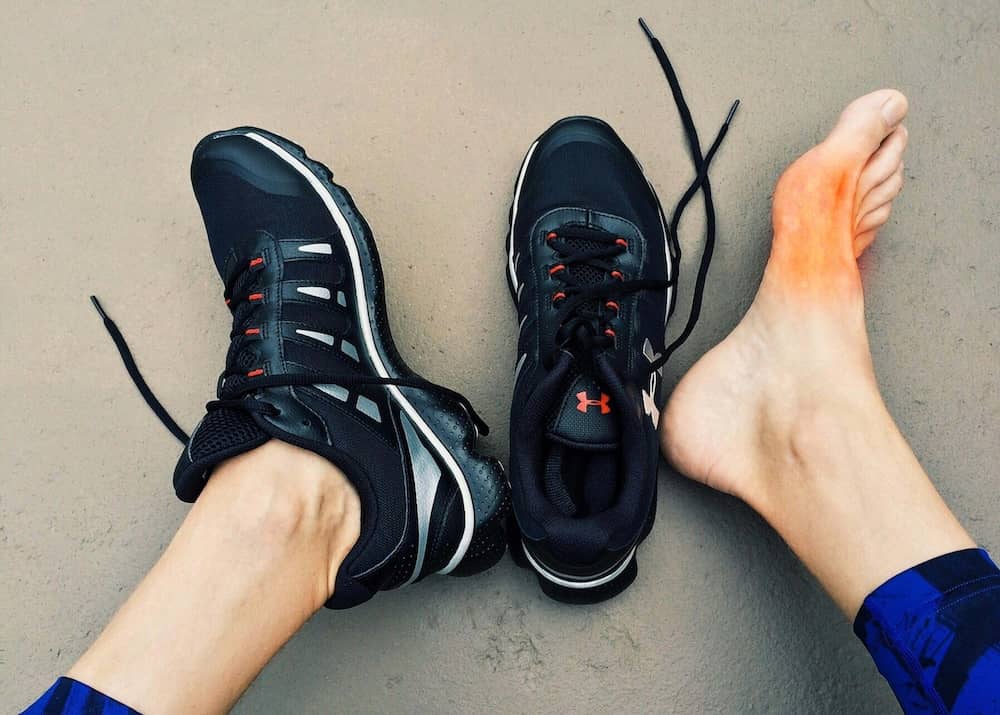
Metatarsalgia is one of the most common forefoot conditions, characterized by pain located in the metatarsal area (the bones that connect the toes to the rest of the foot) both on the sole and, in some cases, on the back of the foot.
Although it can affect anyone, it is especially relevant for those who spend many hours working on their feet and/or run regularly .
In this post, we'll explain what metatarsalgia is, its symptoms, possible causes, and the most appropriate treatment , including home treatment options that will help relieve the pain.
We'll also give you guidelines on using insoles for metatarsalgia and other practical advice, as a comprehensive approach to the injury is essential if we want to tackle the problem at its root.
1. What is metatarsalgia?
Metatarsalgia is an inflammation or irritation of the weight-bearing area of the metatarsals, although it can also occur on the back of the foot at this same level. It can cause discomfort when walking, running, or simply standing for long periods of time.
According to a study published in the Journal of the American Podiatric Medical Association (Smith et al., 2020), metatarsalgia accounts for up to 20% of podiatric consultations related to pain in the forefoot region.
In fact, did you know that ballet dancers are one of the groups with the highest incidence of metatarsalgia? Their constant support on their toes contributes to overstraining this area (University of Podiatry of Alicante, 2019).
2. Main symptoms
Those who suffer from metatarsalgia often describe the pain as a "burning" or "stabbing" sensation in the forefoot. Other common symptoms include:
- Sensation of having a stone or marble under the front of the foot.
- Difficulty fully supporting the foot.
- Pain that worsens after a long day of activity or an intense workout.
According to the University of Podiatry of Alicante (2019), one of the most revealing signs is pain that increases after repetitive impact activities, such as running or standing for many hours.
Experts recommend periodic gait checks to detect biomechanical alterations that may lead to chronic metatarsalgia (Corbisiero, 2019).
3. Possible causes of metatarsalgia
There are several factors that contribute to the development of metatarsalgia. Among the most common are:
Excess load or impact:
- People who work standing up (waiters, shop assistants, healthcare workers, etc.) often overload the forefoot area.
-
Runners , especially those who train on asphalt, are exposed to repetitive impacts.
Inappropriate footwear:
- High heels or soles that are too thin.
- Worn-out running shoes that don't cushion properly.
Biomechanical alterations:
- Hollow feet, hammer toes or bunions (Hallux Valgus), which can unbalance weight distribution.
- Lack of plantar support.
- Lack of strength in the intrinsic muscles of the foot.
Overweight:
- The additional weight increases pressure on the forefoot.
Excessive training:
- Sudden increase in distance or intensity while running.
Surface type:
Those who run on very hard or uneven surfaces have a higher risk of developing metatarsalgia, due to the continuous load and poor cushioning (Gómez, 2020).
In short, the combination of inadequate footwear and unsupervised training appears to be the main cause of metatarsalgia in beginner runners, according to a study from the National Foot Health Association (Martínez et al., 2021).
4. Treatment
To address metatarsalgia, it's best to combine several strategies and always seek a personalized approach . Below, we present the most common ones.
4.1 Home treatment for metatarsalgia
- Rest and local cold : Applying ice for 10-15 minutes several times a day can reduce inflammation (Gómez, 2020).
- Contrast baths : Alternate cold and hot water to relax muscles and promote circulation.
- Self-massage : Use a tennis ball or roller to apply light pressure to the forefoot.
A meta-analysis conducted by the Foot & Ankle Research Group (2022) showed that contrast baths improve the symptoms of metatarsalgia in up to 30% of cases, especially when combined with appropriate insoles.
4.2 Supports and aids for pain relief
- Metatarsalgia insoles : They help relieve pressure on the forefoot and distribute it evenly.
- Biomechanical Socks : Designed by podiatrists to reduce impact when walking and running, especially in the forefoot area.
If you want to discover how socks can make a difference, visit our article: “ Metatarsalgia Pain Relief with Podoks Socks .”
4.3 Professional treatment
- Physiotherapy and podiatry : A professional will assess your gait and recommend strengthening exercises, postural correction, or other therapies.
- Infiltrations : In chronic cases, the doctor may resort to anti-inflammatory drugs for temporary relief (Martín, 2019).
- Surgery : It is only considered in very advanced situations or with associated deformities.
5. Recommendations for those who work standing up
According to the International Labor Organization (ILO), more than 60% of those who work standing up suffer from recurring foot pain, with metatarsalgia being one of the most common. Here are some tips:
- Active breaks : Every hour, take the opportunity to move your feet and stretch your toes.
- Metatarsal pads : Wear them inside your work shoes to cushion your foot and relieve metatarsalgia pain.
- Biomechanical socks : These include the aforementioned pads and are ideal for relieving pressure on key areas and preventing the increase or appearance of metatarsal pain.
- Home exercises : Stretch and do gentle massages before and after work. Or, if possible, during your breaks.
6. Recommendations for runners
For running enthusiasts, preventing and treating metatarsalgia is key to training safely and enjoying the activity. Therefore, we recommend:
- Shoes with good cushioning : Check their condition frequently and choose the ones that are best suited to your stride.
- Load progression : Gradually increase the distance and intensity of your sessions (avoid increasing your training time by 10% or more from one week to the next).
- Metatarsalgia insoles : Ideal for runners who experience strain in the forefoot, always designed by a podiatrist specializing in running.
- Biomechanical socks : As mentioned above, these socks are designed to distribute pressure and protect the metatarsal area.
The use of appropriate footwear and the supervision of a trainer reduces the occurrence of metatarsalgia by 40%, according to the European Journal of Sports Medicine (López & Carter, 2020).
7. Other tips
- Strengthening the plantar arch : Includes balance and proprioception exercises to prevent overload.
- Rest and Recovery : Scheduling recovery days is essential to avoid chronic injuries.
- Podiatric check-ups : An annual check-up with a specialist can detect changes in your gait in time.
Conclusion: Take care of your feet to improve your quality of life
Metatarsalgia can seriously impact your daily routine, whether you spend hours on your feet at work or are a passionate runner.
However, a well-planned metatarsalgia treatment plan, with appropriate treatment, the use of insoles designed by a podiatrist, appropriate exercises, and quality socks, will help you relieve pain and return to your activities with less discomfort. Remember the importance of good footwear, active breaks, and regular podiatric checkups to prevent relapses.
If you'd like to learn more about foot health and how to prevent various ailments, we invite you to explore our other blog posts, where you'll find science-backed information and practical expert advice.
Bibliographic References (in order of appearance)
- Smith et al. (2020). Journal of the American Podiatric Medical Association.
- University of Podiatry of Alicante (2019). Internal research document.
- Corbisiero, A. (2019). “Incidence of plantar support in middle-distance runners.” Journal of Clinical Biomechanics.
- Martínez et al. (2021). National Foot Health Association.
- Gómez, L. (2020). “Application of cryotherapy to the foot with overload injuries.” Chronic Pain Physiotherapy Bulletin.
- Foot & Ankle Research Group (2022). “Comparative analysis of therapies for metatarsalgia.” International Journal of Foot and Ankle Studies.
- Martín, P. (2019). “Surgical approach to metatarsalgia.” International Orthopedic Surgery.
- International Labour Organization (ILO). “Data on occupational hazards for standing workers.” Available at www.ilo.org (accessed 2025).
- López, D. & Carter, S. (2020). “Incidence of injuries in amateur runners: biomechanical factors”. European Journal of Sports Medicine.




Leave a comment
All comments are moderated before being published.
This site is protected by hCaptcha and the hCaptcha Privacy Policy and Terms of Service apply.