
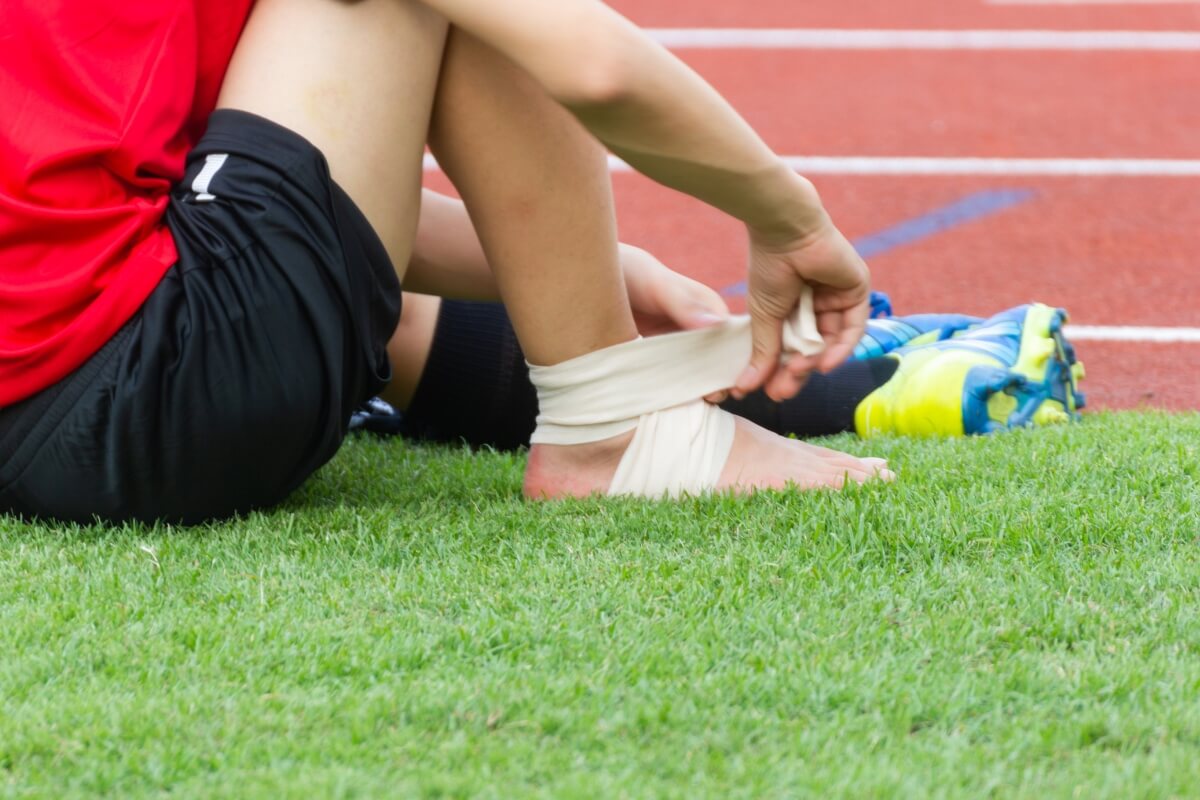
Returning to sports after the summer break is one of the most difficult times for our feet. During the holidays, most athletes significantly reduce their training level or even abandon their usual routine altogether.
This break, although necessary for mental and physical recovery, can become a risk factor when it comes time to return to activity.
The feet, which have become accustomed to a lower level of stress during the rest period, must once again face the stress of regular training.
This abrupt transition creates a series of problems characteristic of the preseason that, although preventable, affect a large number of athletes each year.
Why podiatric problems arise in the preseason
Preseason represents a shock to our musculoskeletal system. During the period of inactivity, soft tissues lose some of their resilience and ability to adapt to mechanical stress. The skin of the feet becomes more sensitive, the intrinsic muscles of the foot lose tone, and proprioception decreases considerably.
When we resume sports activities, especially if we do so at a similar intensity to what we had before the break, we subject deconditioned structures to a level of demand they are no longer prepared for.
This imbalance between demand and response capacity is the source of most injuries and discomfort that appear during the first weeks of training.
Furthermore, we often gain weight during the summer, which increases the load on our feet. It's also common for athletic shoes to have lost some of their cushioning properties after months of disuse, or for us to even change shoes without making a proper transition.

The most common foot injuries during the preseason
During the first few weeks of training after the summer break, certain types of injuries appear more frequently due to tissue failure to adapt. Understanding these injuries and how they occur is essential for effective prevention.
Blisters and chafing
Blisters are the most common injury during the return to training . They form as a result of repeated friction between the skin and shoes or socks.
During the period of inactivity, the skin loses the thickness and resistance it had developed through regular training, becoming more susceptible to shear forces.
The most commonly affected areas are the heel, toes, and forefoot, especially in sports that involve frequent changes of direction or long runs.
Blisters are not only painful, but they can also alter the biomechanics of your gait as you try to avoid pain, creating compensations that can lead to other problems.
Plantar fasciitis
Plantar fasciitis is another of the typical injuries of preseason training. The plantar fascia, which has lost some of its elasticity and strength during the rest period, is suddenly subjected to the stresses of training.
The first steps in the morning or the first few meters of a run become particularly painful moments.
This condition is especially common in athletes who return to high-impact activities on hard surfaces, or in those who increase the volume or intensity of their training too quickly.
Tendinopathies and muscle overload
The tendons of the foot and ankle, especially the Achilles and peroneal tendons, are structures that require a gradual adaptation period to mechanical stress. During the preseason, tendon conditions are common when training progression is too aggressive.
The intrinsic muscles of the foot, which have lost strength and endurance during rest, can also be overworked when trying to stabilize the foot during intense sports activities.
Calluses and corns
Although less disabling than other injuries, calluses and corns can cause significant discomfort during training. They appear as the skin's adaptive response to excessive or poorly distributed pressure, but when they form too quickly, they can become painful and disrupt the foot's normal biomechanics.

Effective prevention strategies
Injury prevention during the preseason requires a comprehensive approach that combines intelligent planning, targeted conditioning, and attention to every detail of sports equipment.
The following strategies have been shown to be effective in significantly reducing the risk of foot problems.
Planning a gradual return
The key to preventing preseason injuries lies in smart return-to-activity planning. The principle of gradual progression should be applied to both training volume and intensity.
A practical rule of thumb is to increase your workload by no more than 10% per week for the first four to six weeks.
It's recommended to start with low-impact activities and gradually increase the intensity. For example, if you're a runner, your first sessions should include a combination of walking and light jogging, gradually increasing the amount of continuous running time.
Specific foot conditioning
During the first few weeks of preseason, it's essential to include specific exercises to strengthen and recondition your feet. Joint mobility exercises, strengthening the intrinsic foot muscles, and proprioceptive training should be part of your daily routine.
Walking barefoot on different surfaces, performing toe-grip exercises, and working on balance on unstable surfaces are simple but effective strategies for preparing your feet for returning to sports.
Biomechanical socks improve stability and reduce muscle fatigue during training.
Skin care
Preparing your skin to withstand friction is an often overlooked but essential aspect. Keeping your feet well moisturized with specific creams helps preserve skin elasticity, but you should avoid excess moisture, which can promote blister formation.
It is important to regularly check your feet for any reddened areas or areas of excessive pressure that may indicate the development of future problems.
Check your sports shoes
Footwear is a crucial element in injury prevention. It's essential to check the condition of your shoes after a period of inactivity and assess whether they maintain their cushioning and support properties. Shoes that have lost their cushioning capacity can significantly increase the risk of overuse injuries.
It's also important to ensure the correct fit, as feet often change slightly in volume during periods of inactivity.

The importance of socks in prevention
Sports socks play a fundamental role in preventing foot problems during the preseason, although they have traditionally received less attention than footwear.
An ill-fitting sock can cause blisters, chafing, and other discomfort that compromise performance and training continuity. Choosing the right technical socks can make a significant difference in comfort and injury prevention.
A good sock for sports use should offer the following functions:
Humidity management
The ability to wick away perspiration is essential for keeping feet dry and reducing the risk of blisters. Socks made from technical synthetic materials or blends of natural and synthetic fibers offer better breathability than traditional cotton.
A wet foot is more susceptible to friction and, therefore, blisters. In addition, excess moisture can promote the development of fungal and bacterial infections.
An ill-fitting sock can cause blisters, chafing, and other discomfort that compromise performance and continued training.
Friction reduction
Seamless or flat-seam socks minimize friction points that can cause chafing. The texture of the sock's inner surface also influences friction against the skin, with smooth, even surfaces being preferable.
Some socks incorporate zones with different textures or materials specifically designed to reduce friction in high-risk areas, such as the heel or toes.
Support and stability
An innovative aspect of athletic sock design is the incorporation of biomechanical support elements. Podoks biomechanical socks , specifically designed by podiatrists, incorporate strategically placed compression zones that improve foot stability and reduce muscle fatigue.
This type of sock offers additional support to the intrinsic muscles of the foot, which can be particularly weakened during the preseason. By improving proprioception and stability, they help prevent overuse injuries and biomechanical compensations.

Remedies and treatments for established problems
Despite all preventive measures, discomfort or injuries can sometimes arise during the preseason. When this occurs, it's essential to address them appropriately to prevent them from worsening or becoming chronic.
Early and appropriate treatment of blisters can mean the difference between a temporary annoyance and a season-ending injury.
It's important to remember that any treatment must be based on a correct diagnosis, and if you have any doubts or symptoms persist, it's always advisable to consult a specialized healthcare professional.
Blister treatment
When blisters appear, proper management is crucial to avoid complications. Small, intact blisters should not be punctured, as the skin over them acts as a natural protective barrier. It is advisable to protect them with special dressings that reduce friction.
For large blisters that interfere with activity, they can be drained under sterile conditions, but always leaving the overlying skin intact. After drainage, it's essential to apply an antiseptic and protect the area.
Management of plantar fasciitis
Treatment for plantar fasciitis in the acute phase includes anti-inflammatory measures, targeted stretching of the plantar fascia and calf muscles, and modification of sports activities. Stretching exercises should be performed several times a day, especially in the morning before getting up.
Applying cold after a workout can help control inflammation, while ball or roller massages can improve tissue flexibility.
Pain is an alarm signal that should never be ignored during sports rehabilitation.
Treatment of tendinopathies
Tendinopathies require an initial conservative approach that includes activity modification (load), anti-inflammatory measures, and eccentric strengthening exercises once the acute phase is over. It is essential to identify and correct the factors that contributed to the development of the injury.

When to seek professional help
It's important to recognize when discomfort requires professional attention. You should consult a podiatrist or medical specialist if you experience pain that persists for more than 48 hours after training, significant swelling, functional limitations that affect daily activities, or signs of infection in wounds or blisters.
A professional evaluation is especially important if you have a history of foot injuries, known biomechanical abnormalities, or plan to significantly increase your level of athletic activity.
Myths and realities about preseason foot care
"You have to get your feet used to pain."
This is one of the most dangerous myths in sports. Pain is a warning sign that something isn't right. Ignoring pain or trying to "get used" to it can lead to more serious injuries and longer periods of inactivity.
The difference between normal adaptation discomfort and pathological pain is fundamental. Adaptation discomfort is mild, does not increase with activity, and disappears at rest. Pathological pain is more intense, increases with activity, and persists at rest.
"The socks are all the same"
The belief that all athletic socks are similar is misguided. There are significant differences in materials, construction, and functionality that can directly impact performance and injury prevention.
Technical socks, especially those with a biomechanical design like Podoks, incorporate specific features that go beyond simple foot coverage. Their scientific design can significantly contribute to injury prevention and improved performance.
"Preseason injuries are inevitable"
While it's true that the risk of injury increases during the preseason, it's not inevitable. Proper planning, gradual progression, and the use of appropriate equipment can significantly reduce the incidence of foot problems.

Conclusions
Foot problems during preseason are common but largely preventable. The key to success lies in understanding that the foot, like any other body structure, needs time to readjust to the stress of training after a period of relative inactivity.
Smart planning that includes gradual progression, targeted conditioning, and attention to all elements of your sports equipment can make the difference between a successful preseason and one plagued by injuries and setbacks.
Biomechanical socks, although they may seem like a minor detail, represent a valuable tool in a prevention strategy. Their ability to improve stability, reduce muscle fatigue, and optimize foot biomechanics makes them an ideal complement for athletes seeking to maximize their performance while minimizing the risk of injury.
Remember that preseason is an investment in your sports season. The time spent preparing properly will be rewarded with improved performance and a lower incidence of injuries throughout the year.
-----
Scientific references:
Hreljac, A. (2004). Impact and overuse injuries in runners. Medicine & Science in Sports & Exercise, 36(5), 845-849.
van Gent, R.N., et al. (2007). Incidence and determinants of lower extremity running injuries in long distance runners: a systematic review. British Journal of Sports Medicine, 41(8), 469-480.
Singh, B., et al. (2019). Plantar fasciitis in runners: a systematic review. Sports Medicine and Arthroscopy Review, 27(4), 136-141.
Knapik, J.J., et al. (2010). Friction blisters: pathophysiology, prevention and treatment. Sports Medicine, 40(11), 921-940.
Nielsen, R.O., et al. (2012). Training errors and running related injuries: a systematic review. International Journal of Sports Physical Therapy, 7(1), 58-75.
Baltich, J., et al. (2014). Running injuries in novice runners enrolled in different training interventions: a pilot randomized controlled trial. Scandinavian Journal of Medicine & Science in Sports, 24(2), 515-521.




Leave a comment
All comments are moderated before being published.
This site is protected by hCaptcha and the hCaptcha Privacy Policy and Terms of Service apply.