
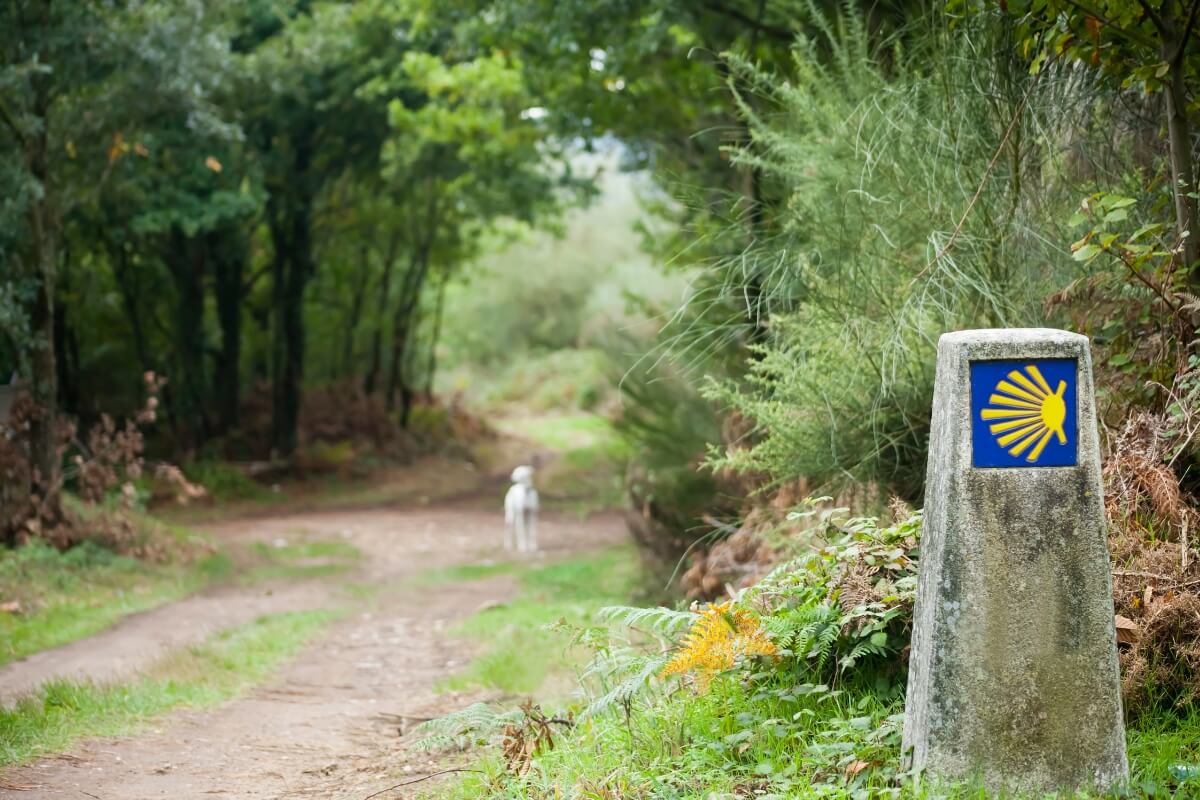
Most people who venture out on the Camino de Santiago do so as a personal challenge or a way to disconnect from the stress of everyday life. However, many forget one of the keys to enjoying the journey without suffering: proper physical preparation.
Depending on each pilgrim's goal, the challenge will be greater or lesser. Someone looking to relax might complete only 4-6 stages, while a more experienced hiker can complete the Camino Primitivo in 15-20 days, tackling long stages and significant elevation gains.
In this practical guide, we explain how to prepare your body—and especially your feet—so that the experience is rewarding, pain-free, and stress-free. This content is intended for people who don't exercise regularly but want to get in shape and enjoy the challenge.
What happens if you don't prepare well?
Although walking may seem less demanding than running or cycling, the truth is that long walks over several days can lead to physical problems if you don't prepare properly. Below, we'll show you the most common ailments and injuries you can avoid with proper preparation.
Muscle and joint overloads
During the Camino, your feet endure thousands of steps every day. If they aren't properly prepared, problems such as plantar fasciitis, shin splints, sesamoiditis, or metatarsalgia are likely to develop. Overuse of the soleus, tibialis, and calves is also common.
Proper preparation strengthens the muscles involved in walking, stabilizes the joints, and reduces the risk of injury.
Skin lesions
Wearing inappropriate footwear and socks can cause excessive moisture, blisters, and chafing. For example, cotton socks retain sweat, and shoes that are too soft or stiff can impair your gait or increase fatigue.
The best combination? Shoes already adapted to your foot and technical socks like Podoks Running :
- They are made with Coolmax® fabric, which improves breathability and prevents blisters.
- They have a biomechanical cushioning design that absorbs impact and protects the heel.
- They reduce pressure on the plantar fascia and big toe, helping to prevent plantar fasciitis.
- They improve the mobility of the Hallux, favoring the Windlass mechanism and a more efficient gait.
If you want to learn more about how to choose the most suitable socks for the Camino de Santiago , click here .
The important thing is not just to arrive: it is to be able to continue
The real challenge isn't completing a stage, but recovering for the next. Poor preparation can turn a magical experience into torture. So listen to your body, be realistic, and start training as soon as possible.

How to prepare your body?
You can approach your preparation for the Camino de Santiago in stages. We recommend completing four phases, each lasting two weeks.
Step 1: Create the habit
Weeks 1 and 2: Walk 30-45 minutes daily. Keep it at an easy pace. Take the opportunity to listen to music, call a friend, or even make work calls while you walk. The key is to create the habit without pressure.
Step 2: Increase the duration
Weeks 3 and 4: Introduce longer walks of 60-90 minutes 3 or 4 times per week. Add gentle hills if possible. This is where the real foot and leg conditioning begins.
Step 3: Simulate the Path
Weeks 5 and 6: Take long walks (2-3 hours) at least once a week, wearing the shoes and socks you'll wear on the Camino. This way, you'll know if you have any discomfort, pressure points, or need to adjust anything.
Step 4: Adjust the details
Weeks 7 and 8: Introduce double sessions one day (morning and afternoon) and try routes with gradients. Also, pack a backpack similar in weight to the Camino and walk with it to get used to it.

Last tips before leaving
Before you begin your first stage, keep these tips in mind to optimize your experience and minimize the risk of injury or withdrawal:
Constant hydration
Don't wait until you're thirsty. During the Camino, you'll constantly lose fluids, even without realizing it. Always carry a reusable water bottle with you and take small sips every 15-20 minutes, especially on hot days or during long stretches.
Don't forget to include mineral salts, primarily sodium, either through salt-rich foods (nuts are a great option) or in supplement form (using salt tablets or isotonic powders dissolved in water).
Smart nutrition
In the days leading up to the start, increase your intake of complex carbohydrates (oats, brown rice, legumes, etc.) to replenish your energy reserves. During the Camino, prioritize healthy snacks such as nuts, oat bars, and dried fruit to keep your glucose levels stable.
Restful rest
Getting a good night's sleep isn't optional: it's part of the training. Try to get at least 7-8 hours of sleep per night, and during the Camino, take advantage of the evenings to stretch and relax your muscles. A few minutes with your feet up will improve circulation and reduce swelling.
Using Podoks compression stockings can be a great option to facilitate venous return and lymphatic drainage between stages.
Listen to your feet
Your feet are your travel tool. Examine them every night: look for chafing, pressure points, ingrown toenails, or hot spots. If you notice discomfort, act immediately: apply lubricating creams or petroleum jelly, adjust your shoes, or consult a professional if necessary.
Don't overload your backpack
Carrying extra weight increases fatigue and the risk of joint strain. The ideal weight should be between 8-10% of your body weight. Prioritize what's essential and distribute your weight well to avoid imbalances. If you're carrying more weight, be sure to include good strength training during your preparation to strengthen all your structures.
Always use the same equipment
Don't wear anything new on the Camino: no shoes, no backpack, no socks. Everything should be tested and fitted to you. Especially socks: choose technical models like Podoks Running , which combine breathable fabrics with plantar cushioning and arch support. This way, you'll protect your feet stage after stage.
With proper preparation and the right equipment, you'll walk further, more comfortably, and with less pain. At Podoks, we design our socks to help you achieve this.
Because we take care of your feet, so you can enjoy the journey.




Leave a comment
All comments are moderated before being published.
This site is protected by hCaptcha and the hCaptcha Privacy Policy and Terms of Service apply.