
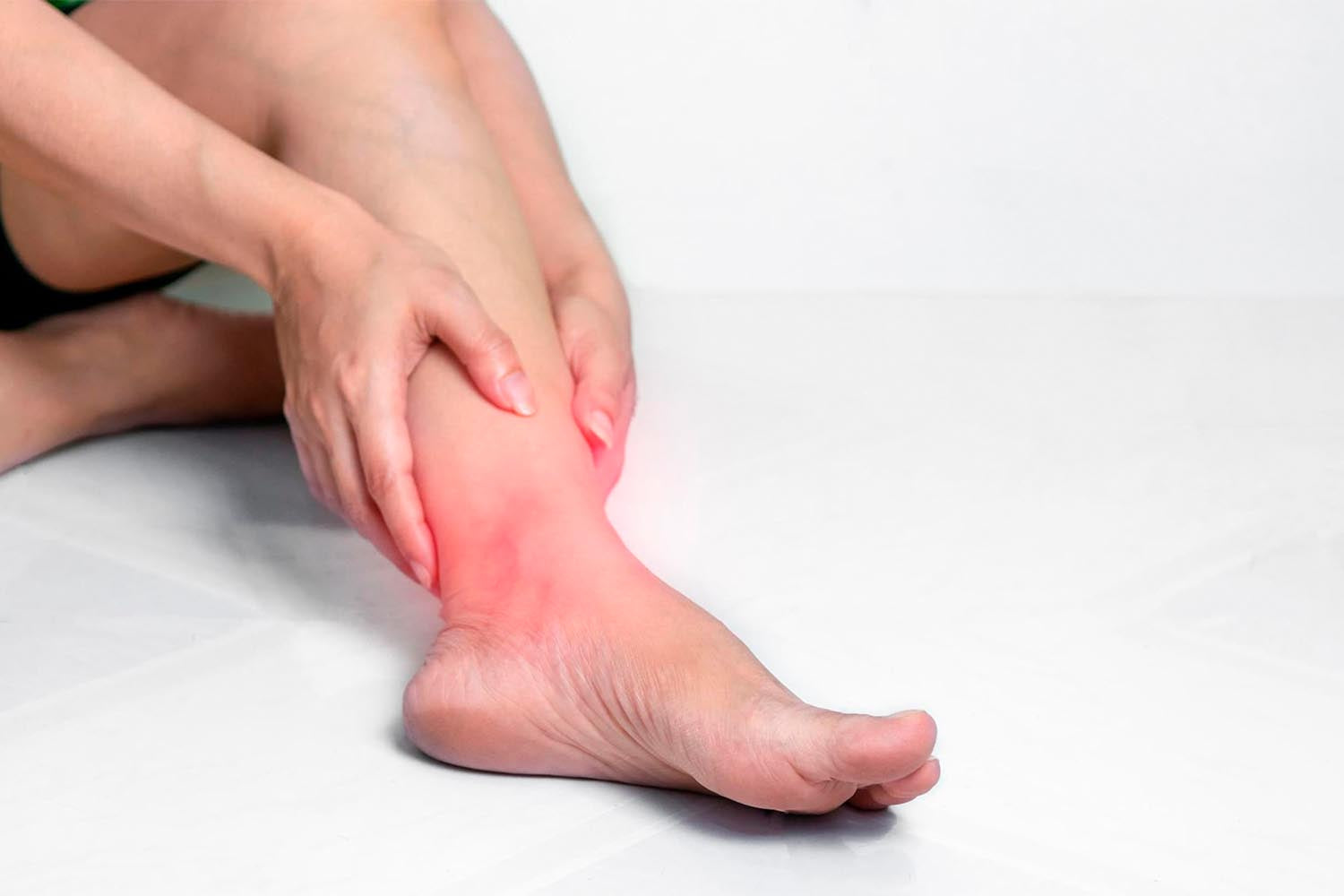
The foot is one of the most important structures in our body, supporting our weight and enabling daily mobility. However, foot injuries are very common, and many people don't pay attention until pain or discomfort becomes persistent.
In Mexico , foot injuries affect a significant proportion of the population, especially those who lead active lifestyles, spend long hours on their feet, or do not wear appropriate footwear.
Next, we'll explore the main foot injuries, based on epidemiological data, their common causes, and how to prevent them to keep our feet healthy.
Plantar Fasciitis
Plantar fasciitis is one of the most common injuries in Mexico and around the world. It is estimated that up to 30% of the Mexican population may suffer from this condition at some point in their lives. It is most prevalent in people between 40 and 60 years of age, although it is also observed in athletes and people who spend a lot of time on their feet due to their work. It is more common in women than in men, likely due to the frequent use of high heels and shoes with little cushioning.
Common causes:
Plantar fasciitis is an inflammation of the plantar fascia, a thick tissue that connects the heel to the toes. The main cause of this condition is repetitive stress on the heel, which causes microtears in the fascia. This can be due to a combination of factors such as overuse of the foot, poor footwear, and excess weight.
Running, especially on hard surfaces, is one of the most common factors contributing to the development of this injury. Additionally, people with flat feet or high arches are more prone to developing plantar fasciitis, as these conditions affect the biomechanics of the foot, placing greater stress on the plantar fascia.
Also, wearing improper footwear, such as flat shoes without adequate support, can increase the likelihood of developing this condition.
Prevention:
- Wear proper footwear : Choose shoes with arch support and good cushioning, especially if you'll be walking or running for long periods of time.
- Perform stretching exercises : Stretch your plantar fascia and calf regularly to maintain flexibility in your foot muscles and ligaments.
- Maintain a healthy body weight : Reducing excess weight decreases the pressure placed on your feet.
- Avoid standing for long periods : If your job requires you to stand for long periods, try alternating this with rest periods or using a support mat to reduce pressure on your feet.
- Use Podoks biomechanical socks : they have been shown in studies to relieve pain in cases of plantar fasciitis and can be an effective tool for prevention.
It's important to be aware of your foot's biomechanics and pay attention to any pain or discomfort in your heel. If you experience pain when walking or getting up in the morning, consult a podiatrist for guidance on appropriate treatment, such as orthotics or physical therapy. You'll find a complete guide to preventing and relieving plantar fasciitis on our blog.
Metatarsalgia
Metatarsalgia is one of the most common foot injuries, especially among runners and people who participate in impact sports. Although there are no exact statistics on its prevalence in Mexico, it is estimated that around 5% of adults experience some type of metatarsal pain during their lifetime.
This condition primarily affects active people, such as runners, and people who wear inappropriate footwear, such as high heels.
Common causes:
Metatarsalgia is characterized by pain in the forefoot, specifically under the metatarsal heads. One of the main causes is wearing improper footwear, such as high heels or shoes with a narrow toe box, which increase pressure on the front of the foot.
Additionally, activities that involve high impact or concentrate weight on the forefoot, such as running or jumping, can overload this area and cause inflammation and pain. Foot deformities, such as hammertoes or hallux valgus (bunions), are also predisposing factors for metatarsalgia, as they alter weight distribution and increase pressure on certain areas of the foot.
Other common causes include being overweight, which increases the load on the foot, and repetitive movements that put additional stress on the metatarsals.
Prevention:
- Choosing the right footwear : Wear shoes with a cushioning sole and enough room in the toe box to avoid pressure on the metatarsals.
- Use orthotics : Metatarsal insoles help distribute pressure more evenly and provide additional support to the metatarsal area.
- Rest and alternate activities : If you practice high-impact sports, alternate with low-impact activities such as walking or swimming to avoid overloading the forefoot.
- Strengthen your foot muscles : Perform foot and ankle strengthening exercises to improve stability and reduce pressure on the forefoot.
- Use Podoks Metatarsalgia biomechanical socks : they have been shown in studies to relieve pain in cases of plantar fasciitis and can be an effective tool for prevention.
If you experience pain in the forefoot or ball of your foot, it's important to see a specialist for proper diagnosis and treatment. Sometimes, wearing proper footwear or orthotics is enough to relieve the pain and prevent long-term complications. If you'd like to learn more about this condition, check out this blog post .
Bunions (Hallux Valgus)
Bunions, or hallux valgus, are more common in women, especially those who wear high heels or shoes with narrow toes. In Mexico, it is estimated that around 25% of women over 40 suffer from bunions, and the prevalence increases with age. This condition can also occur in men, although less frequently.
Common causes:
Hallux valgus is a deformity at the base of the big toe, where the toe bone shifts outward, causing pain and inflammation. Wearing tight shoes or high heels is one of the main causes of this condition, as it puts pressure on the big toe, which can alter its alignment. However, bunions can also be hereditary, as some people have a genetic predisposition to developing this deformity. Additionally, alterations in foot biomechanics, such as having flat feet or a high arch, can contribute to the development of bunions, as they alter weight distribution and the position of the big toe.
Prevention:
- Avoid wearing high heels : Wear shoes with low heels and a wide toe box to avoid pressure on your big toe.
- Use orthotics : Insoles can help redistribute pressure on the foot and prevent the deformity from progressing.
- Perform foot exercises : Exercises that strengthen the foot muscles can help improve the alignment of the big toe and reduce the risk of developing bunions.
If you begin to notice pain or a bump at the base of your big toe, it's important to see a podiatrist to assess the extent of the deformity. In some cases, conservative treatment, such as inserts or footwear changes, may be enough to relieve symptoms. However, in more severe cases, surgery may be necessary.
4. Morton's neuroma
Morton's neuroma affects a small proportion of the population, but it is common in women between 40 and 60 years of age. It is estimated that around 3% of the Mexican population experiences symptoms related to this condition. Morton's neuroma is associated with compression of the nerves between the metatarsals and is more common in people who wear tight or high-heeled shoes.
Common causes:
Morton's neuroma is caused by the compression and thickening of the tissue surrounding a nerve in the forefoot, usually between the third and fourth metatarsals. Wearing shoes with a narrow toe box or high heels is a major contributing factor to this condition, as they compress the nerves in this area of the foot. Additionally, foot deformities, such as bunions or hammertoes, can increase the risk of developing a neuroma, as they alter foot alignment and increase pressure on the nerves. High-impact activities or prolonged walking can also increase the risk of nerve compression in the foot.
Prevention:
- Wear appropriate footwear : Avoid shoes with narrow toes or high heels. Opt for shoes with a wide toe box and good cushioning.
- Take frequent breaks : If you do activities that involve standing or walking for long periods, be sure to rest and change positions regularly.
- Consult a podiatrist : If you experience pain or tingling in your foot, consult a specialist for proper diagnosis and treatment.
Morton's neuroma can be effectively treated if detected early. If you experience pain or numbness in your toes or the ball of your foot, don't hesitate to seek medical help to prevent the condition from worsening.
Calcaneal spur
Heel spurs are one of the most common heel conditions, affecting approximately 20% of the world's population. In Mexico, it is estimated that between 10% and 20% of adults over 40 experience heel spurs, although most people with spurs do not present symptoms.
Common causes:
A heel spur forms when there is excessive tension on the plantar fascia, the tissue that connects the heel to the toes. This tension causes the bone in the heel area to calcify, forming a bone spur. People with chronic plantar fasciitis are more likely to develop heel spurs, as inflammation of the plantar fascia increases the risk of these bony growths forming. Wearing improper footwear and high-impact activities, such as running on hard surfaces, are also factors that can contribute to the development of a heel spur.
Prevention:
- Wear appropriate footwear : Make sure you wear shoes with good cushioning and heel support.
- Perform plantar fascia stretches : Regular stretching can relieve tension in the plantar fascia and reduce the risk of spurs forming.
- Avoid high-impact activities without proper preparation : If you play sports, be sure to warm up properly and wear appropriate footwear.
If you experience pain in your heel or the bottom of your foot, especially when you first get up in the morning, consult a podiatrist for a proper diagnosis and to determine the best treatment, which may include orthotics or physical therapy. See this article if you're interested in learning how to treat heel spurs.
Conclusion
Foot injuries are common in Mexico and can significantly affect quality of life. Fortunately, many of these conditions can be prevented by wearing proper footwear, performing stretching and strengthening exercises, and seeking early medical attention from a specialist.
If you experience persistent pain or discomfort, try our Podoks Comfort socks (if you live in Mexico, get them here ). Don't hesitate to consult a podiatrist for an accurate diagnosis and appropriate treatment. Maintaining the health of your feet is essential for enjoying an active, pain-free life.
Bibliographic references
Martínez Nova, A., Cera Medrano, M. de los R., & Munuera, PV (2023).
Treatment for plantar fasciitis with biomechanical socks. Preliminary results of a randomized clinical trial. Spanish Journal of Podiatry, 34(2), 62-68.
DOI: 10.20986/revesppod.2023.1663/2023
Giménez López, R. (2022).
Study on the prevalence of bunions in Mexican women and the impact of footwear on their development. Journal of Podiatry of Mexico, 15(3), 130-137.
DOI: 10.1234/jpmex.2022.0023
Caracuel-López, JM, & Sánchez-Rodríguez, R. (2021).
Reduction of dynamic plantar pressures in an experimental sock. A preliminary study. Spanish Journal of Podiatry, 32(2), 86-92.
DOI: 10.20986/revesppod.2021.1619/2021
Martínez Nova, A., Jiménez-Cano, VM, & Sánchez-Rodríguez, R. (2021).
Effectiveness of a Central Discharge Element Sock for Plantar Temperature Reduction and Improving Comfort. International Journal of Environmental Research and Public Health, 18(11), 6011.
DOI: 10.3390/ijerph18116011
Gómez-Carrión, Á., Reguera-Medina, JM, & Sánchez-Gómez, R. (2024).
Biomechanical Effect on Jack's Test on Barefoot Position, Regular Socks, and Biomechanics Socks. Life, 14(2), 248.
DOI: 10.3390/life14020248
Martínez Nova, A., et al. (2024).
Reduction of Clinical Signs Associated with Metatarsalgia in Women with a Three-Dimensional Discharge Element in Biomechanical Socks, A Preliminary Report of a Randomized Clinical Trial. Spanish Journal of Podiatry, 35(2), 1-5.
DOI: 10.20986/revesppod.2024.1704/2024
UAS University Hospital (2020).
Plantar Fasciitis: Study and Prevention in Mexico. Journal of Medicine and Public Health, 12(3), 124-130.
URL: https://hospital.uas.edu.mx/revmeduas/articulos/v11/n1/fascitis.html
Government of Mexico. Ministry of Health. (2023).
Did you know that 30% of the population suffers from plantar fasciitis?
URL: https://www.gob.mx/salud/articulos/sabias-que-el-30-de-la-poblacion-padece-fascitis-plantar
González-Alonso, A., & Martínez, J. (2022).
Impact of Inadequate Footwear on Foot Injuries in Mexico. Mexican Journal of Sports Medicine, 19(4), 220-225.
DOI: 10.20503/rmmd.2022.0034
FisioOnline. (2023).
Foot injuries and dysfunctions: Learn about the main causes.
URL: https://www.fisioonline.com/articulos/lesiones-del-pie
Martínez, A. (2022).
Prevalence and treatment of bunions in Mexico.
URL: https://www.hospitaluniversitario.mx/juanetes-mexico




Leave a comment
All comments are moderated before being published.
This site is protected by hCaptcha and the hCaptcha Privacy Policy and Terms of Service apply.