
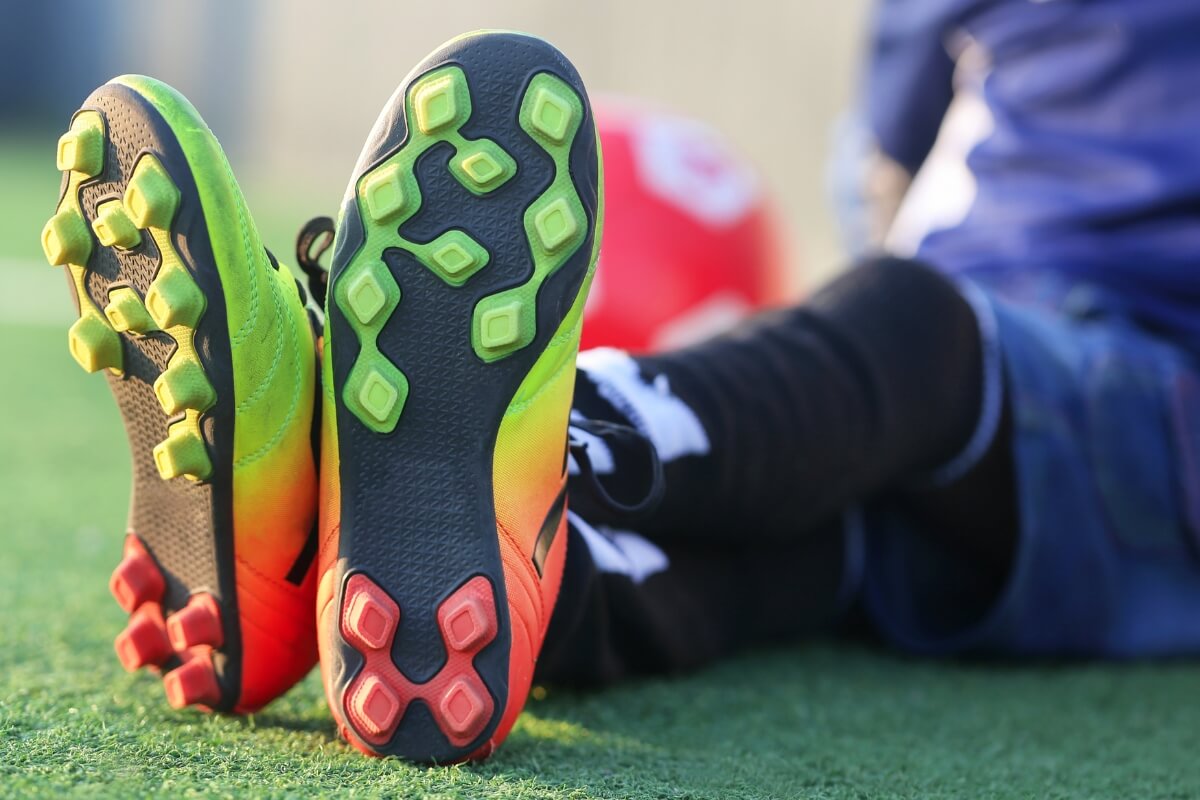
Blisters and chafing are the most unwanted companions of any soccer player. From the dirt fields of youth training to professional stadiums, these annoying skin lesions have plagued players at all levels for decades.
It doesn't matter if you play in the First Division or for the local team: the moment a blister appears on your foot, your performance is compromised and the fun of the game turns into a constant battle against pain.
Soccer is a sport that subjects the feet to extreme conditions. During a 90-minute match, an average player travels between 9 and 12 kilometers, making approximately 1,000 changes of direction, sprints, jumps, and sudden stops.
This intense activity, combined with the constant friction between the foot, sock, and boot, creates the perfect setting for blisters and chafing.
Why blisters appear in football
Blisters are the result of the body's natural defense mechanism against repetitive friction . When the skin is subjected to constant shearing forces, the superficial layers separate from the deeper layers, creating a space filled with serous fluid. This fluid acts as a protective cushion, but also generates the characteristic pain that can be debilitating.
In football, this friction is mainly caused by the foot sliding inside the boot during typical game movements.
Every acceleration, every change of direction, every sudden stop generates micro-displacements that, accumulated over time, can injure the skin.
During a football match, feet can produce up to 250 ml of sweat.
The most affected areas in soccer players are usually the heel, toes (especially the big toe and pinky toe), the sole of the foot, and, to a lesser extent, the instep. Each of these areas has specific characteristics that make them more vulnerable to certain types of friction.

Factors that increase the risk of blisters in football
Although blisters can occur in any soccer player, several specific factors significantly increase the likelihood of developing them. Knowing and managing these risk factors is essential for developing an effective and personalized prevention strategy.
Inappropriate footwear
The wrong choice of soccer cleats is the main cause of most blisters in this sport. Choosing the right size for your soccer cleats is the most important factor, as buying them too short, too long, too narrow, or too wide will make your foot uncomfortable, causing rubbing or friction that can cause blisters.
Boots that are too small compress the foot and create excessive pressure points, while those that are too large allow the foot to move freely within the shoe, increasing friction.
It's also crucial to consider foot shape: some players have wider feet, others narrower, and each boot brand has different lasts that are better suited to certain foot types.
The material of the boots also plays a significant role. Natural leather boots, although they offer a better feel on the ball, require a longer break-in period than synthetic ones. During this "break-in" process, there is the greatest risk of chafing.
Humidity and perspiration
The presence of moisture exponentially increases the risk of blisters. Wet feet are more susceptible to friction because wet skin becomes more fragile and less resistant to rubbing.
During a football match, feet can produce up to 250 ml of sweat, creating a humid environment inside the boots that encourages blisters to form.
Ambient temperature also plays an important role. On hot days, sweating increases considerably, while on cold days, even if you sweat less, your shoes may take longer to dry between workouts, maintaining a humid environment that predisposes you to skin damage.
Playing surface
The type of surface played on directly influences the appearance of blisters. Natural grass fields generally offer better grip and less slippage than synthetic surfaces, where friction can be greater.
Dirt fields, especially when very dry, can generate more dust that sticks to sweat, creating an abrasive texture inside your boots.
Duration and intensity of the game
Long training sessions and high-intensity matches increase both the duration of friction exposure and the amount of sweat produced. Short tournaments or training camps where several matches are played in a few days are especially problematic, as the feet don't have enough time to recover between sessions.

Specific prevention strategies for football
Effective blister prevention in soccer requires a comprehensive approach, encompassing everything from equipment selection to physical preparation and skin care. The following strategies have proven particularly effective for soccer players of all levels.
Correct footwear selection
Prevention begins with choosing the right boots. It's essential to try them on in the afternoon, when your feet are slightly swollen from the day's activity, simulating real-life playing conditions.
A helpful tip is to try on the boots with the socks you normally wear while playing, and even consider wearing double socks during the test to simulate the foot's volume during an intense match.
There should be approximately one centimeter of space between your longest toe and the toe box, and your heel should be snug and secure without slipping. It's a good idea to walk around in the store for several minutes to detect any pressure points.
For footballers breaking in new boots, it's advisable to initially use them for lower-intensity training, gradually increasing the time of use until they fully adapt to the foot.
Progressive adaptation to new footwear
The adjustment period for new boots is critical to preventing blisters. During the first few sessions, it's recommended to wear the boots for only 20-30 minutes, gradually increasing the time you wear them with each workout. This process can take between one and two weeks, depending on the material of the boots and the individual characteristics of your foot.
During this period, it's especially important to pay attention to any signs of rubbing or excessive pressure. The appearance of redness in any area of the foot is a warning sign that the fit needs to be checked or the use of specific protections should be considered.
Humidity management
Moisture control is essential to preventing blisters in soccer. This includes both pre-game measures and care during and after the activity.
Before training or a match, it's a good idea to make sure your feet are completely dry and apply antiperspirant powder to the areas most prone to sweating.
Proper drying of shoes between sessions is equally important. Boots should be stored in well-ventilated areas, preferably with shoe trees or newspaper inside to absorb moisture.
They should never be left in closed places such as the trunk of a car or unventilated sports bags.
Skin care
Skin preparation is a fundamental aspect that many soccer players overlook. Keeping your feet well-hydrated with specific creams helps preserve the skin's elasticity, making it more resistant to friction.
However, over-hydration should be avoided immediately before the game, as this can create an overly humid environment.
Using lubricants or anti-friction creams on the most problematic areas can be very effective. Petroleum jelly is the most commonly used product by soccer players, although there are specific creams designed for this purpose that offer better sweat resistance and greater durability.

The importance of technical socks in prevention
Socks represent the first line of defense against blisters in football. Their function goes far beyond simply covering the foot: they act as intermediaries between the skin and the boot, managing friction and moisture, and providing additional support.
Technical materials vs. traditional cotton
One of the most common mistakes among amateur soccer players is the use of conventional cotton socks. Cotton fabrics absorb sweat but lack the ability to wick it away efficiently, creating a humid environment that weakens the skin and increases friction. This moisture retention makes the skin more vulnerable and prone to chafing injuries.
Technical materials made with synthetic fibers such as polyester, nylon, or combinations of natural and synthetic materials provide superior sweat-wicking properties. These fibers transport moisture away from the skin to the outside of the sock, keeping feet significantly drier during activity.
Key technical characteristics
A quality technical soccer sock must meet several specific characteristics. First, it must be free of thick seams or have flat seams that minimize friction. Traditional seams can create pressure points that, over time and with movement, lead to chafing.
The density of the fabric is another crucial factor. A sock that's too thin doesn't offer sufficient protection, while one that's too thick can alter the fit of the boots and create new friction points. The ideal thickness should provide protection without compromising the tactile sensitivity necessary for ball control.
Strategically placed reinforcement zones on the heel, toe, and sole provide additional protection in high-wear areas without adding unnecessary bulk to the rest of the sock.
Anti-slip technologies
A significant innovation in technical soccer socks is the incorporation of anti-slip elements. Socks with anti-slip technology are specifically designed to improve the player's stability by reducing friction between the foot and the boot. These socks incorporate strategically placed grip elements that minimize the foot from slipping inside the shoe.
By keeping the foot firmly positioned inside the boot, non-slip socks significantly reduce the risk of injury caused by sudden movements and instability during play. This increased stability also contributes to improved control and precision in technical movements.
Biomechanical socks: technological evolution
Biomechanical socks represent the latest evolution in podiatric technology applied to sports. Designed by podiatry and biomechanics specialists, these socks go beyond simple blister prevention to offer functional support and improved performance.
Podoks biomechanical socks , specifically developed by podiatrists, incorporate strategically placed compression zones that improve proprioception and foot stability. This technology not only prevents skin injuries but also reduces muscle fatigue and optimizes gait biomechanics during play.
For soccer players, this technology is especially valuable because soccer requires complex multidirectional movements that subject the foot to stress from multiple angles. A sock that provides biomechanical support can help maintain optimal foot alignment even during the most demanding movements of the game.

Specific preparation for matches and training
Proper preparation before, during, and after soccer activity is crucial to keeping your feet blister-free. A well-structured routine can prevent most problems and optimize performance during the game.
Pre-workout routine
Foot preparation should begin before putting on your boots. A proper routine includes visually checking your feet for any reddened areas, calluses, or small wounds that could worsen during play. This is the ideal time to apply preventative protection to the most vulnerable areas.
Apply anti-friction products sparingly and precisely. Too much lubricant can cause the foot to slide too much inside the boot, creating new problems. The key is to apply a thin layer to the specific areas where chafing usually occurs.
Moisture management during play
During long matches or in extremely hot conditions, it may be necessary to change socks at halftime. This practice, common in professional football, allows accumulated moisture to be eliminated and allows you to start the second half with dry feet.
For amateur players, carrying a spare pair of socks can be a valuable preventative measure.
In competitions where several matches are played in a few days, it's essential to take the time to thoroughly dry the footwear between sessions. Using specific boot dryers or simply removing the insoles and letting them dry separately can prevent moisture buildup.
Post-match care
Post-game care is just as important as pre-game preparation. Immediately after finishing the activity, it's a good idea to remove wet boots and socks, dry your feet thoroughly, and let them breathe freely for a few minutes.
If reddened areas or small abrasions have appeared, it's time to apply preventative treatments to prevent them from developing into full-blown blisters.
Applying restorative creams or protective dressings can prevent a minor discomfort from becoming a major problem.

Immediate treatment of already formed blisters
When a blister appears despite all preventive measures, it's essential to act correctly to avoid complications and minimize recovery time. Proper blister management can make the difference between a temporary nuisance and an injury that could jeopardize several training sessions.
Intact blisters
When a blister has already formed but remains intact, the general medical recommendation is to keep it unpierced. The skin blister represents the body's natural protective mechanism, acting as a barrier against bacteria.
Breaking this protection prematurely can significantly increase the risk of developing an infection.
Treatment consists of protecting the blister with specific dressings that reduce friction while keeping the blister intact. Hydrocolloid dressings are particularly effective because they provide a moist environment that promotes healing while protecting against additional friction.
Blisters that require drainage
In the case of large blisters that significantly interfere with play or cause severe pain, drainage may be necessary. This procedure should always be performed under sterile conditions and preferably by trained healthcare personnel.
The drainage procedure must follow strict aseptic protocols: carefully wash your hands and the affected area with soap and water, sterilize a fine needle with isopropyl alcohol, and gently pierce the edge of the blister, allowing the fluid to drain while keeping the top layer of skin intact.
After drainage, it is essential to protect the area with appropriate dressings and avoid sports activities until healing is advanced.
When to seek professional help
Although most blisters can be treated conservatively, there are situations in which it is essential to consult a healthcare professional. Recognizing these warning signs can prevent serious complications and speed the recovery process.
Signs of infection
It's crucial to recognize the signs that indicate the need for professional medical attention. It's essential to seek professional medical attention when the blister develops a purulent discharge or when the surrounding area shows signs of inflammation, intense redness, or excessive pain. The onset of fever, reddish lines extending from the lesion, or progressively worsening pain are clear indicators of complications that require immediate medical intervention.
Recurrent blisters
If blisters appear repeatedly in the same areas despite preventive measures, it may indicate underlying biomechanical problems that require professional evaluation. A biomechanical gait analysis can reveal changes in walking or running that predispose to the development of blisters.
In these cases, the use of custom templates or modifications to playing technique may be necessary to permanently resolve the problem.

Common myths about blister prevention in football
There are numerous misconceptions circulating in the world of football about blister prevention and treatment that can lead to counterproductive practices. Debunking these misconceptions is essential to adopting truly effective strategies based on scientific evidence.
"You have to toughen your feet"
One of the most widespread myths is that soccer players must "toughen up" their feet to prevent blisters. This belief leads some players to neglect skin care or even deliberately seek out calluses. However, excessively calloused skin can be equally problematic, as thick calluses can create new pressure points.
"Double socks prevent blisters"
While wearing double socks can be effective in some specific situations, such as hiking , in soccer this practice can be counterproductive. The extra bulk can alter the fit of the boots and reduce the sensitivity needed for ball control. It's preferable to invest in quality technical socks than to wear multiple layers of basic socks.
"Leather boots don't cause blisters"
There's a common belief that genuine leather boots are less likely to cause blisters than synthetic ones. While it's true that leather conforms better to the foot over time, during the initial period of use, it can be more problematic than synthetic alternatives. The key isn't the material itself, but rather the proper fit and gradual adaptation.

Specific tips for different types of players
Each position in soccer presents unique challenges in terms of movement and, therefore, blister risk. Tailoring prevention strategies to the specific demands of each position can significantly improve the effectiveness of preventative measures.
Goalkeepers
Goalkeepers face unique challenges due to the specific movements of their position. Constant lateral movements and falls can create friction in different areas than outfield players. It's especially important to pay attention to the fit in the heel and toe areas, areas that experience the most stress during saves.
Field players
For outfield players, prevention should focus on the areas of greatest impact during sprints and changes of direction. Wingers and midfielders may experience more problems with their toes due to frequent acceleration, while center backs may suffer more from heel injuries due to backward movements.
Youth footballers
Young players require special attention because their feet are growing and can change size during the season. It's essential to regularly check the fit of their boots and avoid trying to "exploit" footwear that has become too small. Parents and coaches should be especially attentive to complaints of foot discomfort.
Future innovations in prevention
Technology applied to blister prevention in football continues to evolve. Biomechanical socks represent one of the most promising innovations currently available, combining advanced technical materials with biomechanical principles to optimize both injury prevention and athletic performance.
These advances demonstrate that the sports equipment industry is increasingly focused on scientifically based solutions that go beyond basic protection, integrating functional benefits that improve a soccer player's overall performance.
Conclusions
Preventing blisters and chafing in soccer is a fundamental aspect of athletic performance that goes beyond simple comfort. A comprehensive strategy that combines proper footwear selection, the use of appropriate technical socks, skin care, and attention to detail can virtually eliminate this problem.
Biomechanical socks, like those developed by Podoks, represent a natural evolution in this prevention strategy. By combining blister protection with biomechanical benefits that improve stability and reduce fatigue, these products offer a comprehensive solution for modern footballers.
It's important to remember that every player is unique, and the prevention strategy should be tailored to the individual foot characteristics, playing style, and specific training conditions. Investing in prevention not only prevents immediate discomfort but also contributes to a longer and more successful sports career.
Soccer is a sport of details, and foot care is one of those details that can make the difference between fully enjoying the game and suffering from avoidable discomfort. With the right information and tools, blisters can become a thing of the past.
-----
Scientific references:
Knapik, J.J., et al. (2010). Friction blisters: pathophysiology, prevention and treatment. Sports Medicine, 40(11), 921-940.
Mailler, E.A., & Adams, B.B. (2004). The wear and tear of 26.2: dermatological injuries reported on marathon day. British Journal of Sports Medicine, 38(4), 498-501.
Cortese, T., et al. (2019). Biomechanical analysis of soccer-specific movements and their relationship to injury risk. Sports Medicine, 49(8), 1379-1391.
Patterson, H.S., et al. (2017). Skin problems in athletes: a review of common conditions. Sports Medicine and Arthroscopy Review, 25(4), 208-213.
Van Tiggelen, D., et al. (2009). Delayed muscle soreness after eccentric exercise in soccer players: influence of playing position. Sports Medicine, 39(7), 563-570.
Singh, B., et al. (2018). Foot and ankle injuries in soccer: epidemiology and prevention strategies. Current Sports Medicine Reports, 17(2), 55-63.




Leave a comment
All comments are moderated before being published.
This site is protected by hCaptcha and the hCaptcha Privacy Policy and Terms of Service apply.