
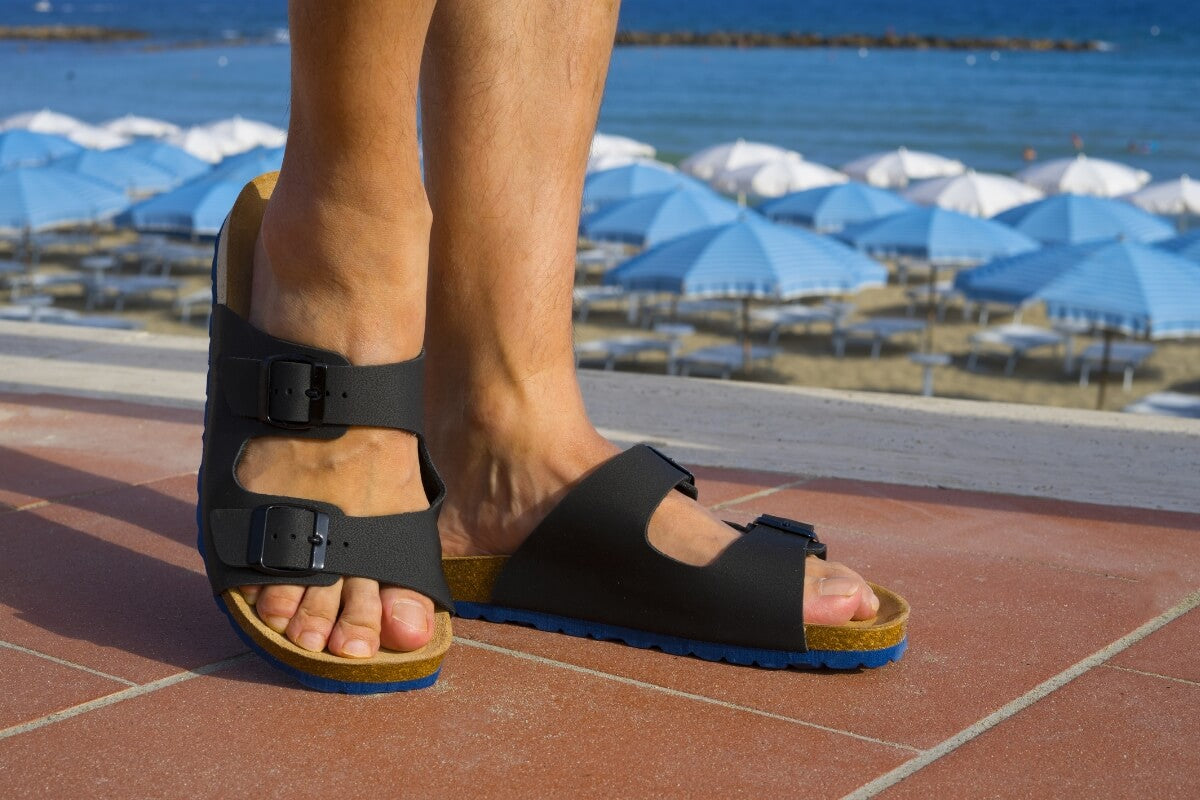
With the arrival of summer, our feet become the center of attention. After months protected in socks and closed-toe shoes, it's time to free them up and prepare them for the most demanding season of the year. Sandals, flip-flops, walks on the beach, and long walks outdoors pose new challenges for foot health that require specific preparation.
The transition from closed to open-toe shoes isn't just a matter of aesthetics. Changes in footwear type, direct sun exposure, and increased physical activity can trigger problems such as plantar fasciitis, fungal infections, or skin lesions if we don't take the proper precautions.
The importance of choosing the right summer footwear
Footwear choice during the summer months goes far beyond aesthetic considerations or basic comfort. It's a decision that can determine the health of your feet throughout the season and, in many cases, influence the development of long-term problems.
Summer footwear must meet specific biomechanical criteria while adapting to the specific conditions of the season: increased physical activity, exposure to different surfaces, and high temperatures.
Problems of inappropriate footwear in summer
Scientific studies show that 83.2% of people with plantar fasciitis wear improper footwear , and those who wear inappropriate shoes experience more severe heel pain that limits their daily activities. In the summer, this problem worsens because we tend to choose more open-toed shoes with less support.
Popular summer sandals and flip-flops can cause short-term pain and long-term foot problems, such as plantar fasciitis, when they lack arch, heel, and ankle support. The lack of support forces the intrinsic muscles of the foot to overwork to maintain stability.
Features of healthy summer footwear
To protect your feet during the summer, look for sandals that meet these scientifically backed criteria:
Arch support: Podiatrists recommend sandals with built-in arch support, forefoot cushioning, and a heel cup to prevent excessive pressure, as otherwise, the plantar fat pad expands and fails to provide its cushioning effect. This support is essential for properly distributing body weight and reducing stress on the plantar fascia.
Moderate heel height: More than the overall heel height, what's important is the drop, which is the difference in height between the heel and the toe of the shoe. A drop of between 10 and 16 mm helps reduce stress on the Achilles tendon and plantar fascia. This drop should be integrated into a sole between 2 and 4 centimeters thick to provide good cushioning without compromising stability.
Quality materials: Choose shoes made from natural materials, especially leather, which is particularly helpful in preventing blisters and irritation. Low-quality synthetic materials can cause chafing and accumulate moisture.
Deep Heel Cup: A deep, stable heel cup is ideal for plantar fasciitis, as it helps maintain proper foot alignment, prevents lateral slippage, and distributes body weight evenly.
The best options according to scientific evidence
Sport sandals: Sport sandals that offer molded heel cups and a substantial forefoot provide better stability and shock absorption than flip-flops or clogs. Any pair with adjustable heel straps also helps maintain ankle stability.
Orthopedic Sandals: A scientific study showed that participants with plantar fasciitis who wore orthopedic insoles in their shoes and then orthopedic sandals at home experienced greater pain reduction compared to those who wore orthopedic insoles alone.

Essential care for the health of your feet in summer
Summer presents unique challenges for podiatric health that go beyond simple footwear selection. The combination of increased physical activity, direct sun exposure, increased sweating, and changes in care routine requires a comprehensive strategy that addresses all of these aspects.
Sun protection: more important than you think
One of the most neglected aspects of summer podiatric care is sun protection. Ninety percent of non-melanoma skin cancers are linked to exposure to ultraviolet (UV) radiation, a risk that increases during the sunny spring and summer months when we spend more time outdoors.
Correct application of sunscreen:
Dermatologists suggest applying sunscreen with an SPF of at least 30, which will block 97% of the sun's dangerous UV rays.
Apply generously (about a full shot glass) every two hours to all exposed skin, including often-forgotten areas like the ears, neck, hands, feet, and lips.
You should use sunscreen on all sun-exposed areas of your body, including those easy-to-forget spots: the tops of your ears, the back of your neck, your scalp (at your hairline), the tops of your feet, and behind your knees.
Preventing fungal infections
Summer creates the perfect conditions for the development of fungal infections like athlete's foot. Fungi thrive in warm, humid environments, conditions that frequently occur during the summer months when we combine increased physical activity, sweating, and wearing less breathable footwear.
Athlete's foot is caused by fungi that grow and spread on warm, moist skin. It's highly contagious, so it's important to take steps to prevent it from forming on your skin.
Ninety percent of non-melanoma skin cancers are related to UV exposure, including those of the feet.
Risk factors in summer:
- Keeping your feet wet for long periods, whether from sweat or water, can increase your risk.
- Warm, humid environments like locker rooms and public pools where you walk barefoot.
- Wearing tight-fitting or non-breathable footwear that traps moisture around your feet.
Specific preventive measures:
Keep your feet clean and dry. Wash your feet daily with soap and water, then dry them completely, especially between your toes. Keep your toenails clean and trimmed.
Wear waterproof shoes or flip-flops when walking in locker rooms, public showers, and public pool areas.
Alternate between wearing shoes and sneakers to prevent moisture buildup. Choose well-ventilated ones with small holes to keep your feet dry.
Hydration and skin care
Increased exposure to the sun, wind, and direct contact with various surfaces means that the skin on your feet requires specific care during the summer. Your feet will benefit from regular applications of a good moisturizer throughout the year, but especially in the summer when they are exposed to much more sun.
Wearing flip-flops and sandals can lead to problems like cracked heels, so moisturizer will help maintain the skin's elasticity and resilience.
Daily care routine:
Exfoliation: Use a gentle foot scrub or pumice stone to remove dead skin cells and calluses. Gently scrub your heels, soles, and toes.
Cleanse: After exfoliating, wash your feet with warm water and mild soap to remove any dirt and sweat.
Moisturizing: Apply a foot moisturizer, paying special attention to areas prone to dryness. Creams with 10-20% urea are recommended.

The importance of choosing the right socks in summer
Although summer invites us to free our feet from the confines of socks and closed shoes, this doesn't mean we should completely dispense with socks. In fact, choosing the right socks can be crucial to maintaining foot health during the hottest months of the year.
The problem with cotton in summer:
The most common mistake is continuing to wear cotton socks throughout the summer, especially for sports. Although cotton is a natural and comfortable material, it presents serious drawbacks when sweating increases:
Moisture Retention: Cotton absorbs sweat but retains it, creating a humid environment ideal for the growth of fungi and bacteria.
Loss of insulation: Once wet, cotton loses its insulating properties and can cause chafing.
Slow drying: Cotton socks take a long time to dry, prolonging exposure to moisture.
Characteristics of the ideal socks for summer
Modern materials have revolutionized the world of sports and everyday socks. Specialized technical fibers, like the Coolmax fabric we use to make Podoks, go a step further:
Moisture management: Fibers that quickly wick sweat away from the skin to the outside.
Antibacterial properties: Materials that inhibit the growth of microorganisms.
Ventilation zones: Fabrics with different densities to optimize breathability.
Biomechanical Support: Graduated compression that improves circulation and reduces fatigue.
Podoks biomechanical socks: technology applied to foot care
In this context, Podoks biomechanical socks represent a significant advancement in summer podiatric care. Specifically designed by podiatrists, these socks incorporate advanced technology that makes them a preventive and therapeutic tool:
Plantar fascia support: Targeted compression reduces tension on the plantar fascia, especially beneficial when transitioning from closed-toe shoes to sandals.
Optimized moisture management: Technical materials that keep feet cool and dry even with increased summer activity.
Reduced muscle fatigue: Biomechanical support allows you to enjoy long periods of activity without the usual fatigue.
Injury prevention: Especially important when we increase physical activity during the holidays.
Cotton socks retain moisture, creating an ideal environment for the growth of fungi and bacteria.
When to wear socks in summer
At home: Continue wearing socks at home to protect your feet from damage and keep them clean and soft.
For sports: Essential to prevent blisters, chafing, and keep feet dry.
With closed shoes: When wearing sneakers or work shoes.
On long trips: To prevent swelling and improve circulation during flights or long journeys.
The key is choosing the right sock for each situation, prioritizing technical materials that provide specific benefits over traditional cotton.

Physical preparation of your feet
It's especially important to be proactive about foot pain if you've had a particular foot condition in the past or a risk factor such as obesity, diabetes, or thyroid disease.
Muscle strengthening
A new trend in foot care is strengthening the small muscles in the "core of the foot." Wearing supportive shoes alone won't make the pain go away. A physical therapist trained in core strengthening can help you learn to activate the muscles in your feet, which will help relieve tension in the ligaments.
Gradual transition
If you want to wear sandals with less support than your regular shoes, or if you'll soon be walking barefoot on a beach, prepare your feet gradually. Don't make any sudden changes to your usual footwear.
Summer-specific problems and how to address them
Summer brings with it a series of specific challenges for foot health that we don't encounter at other times of the year. Rising temperatures, increased sun exposure, changes in activity patterns, and the use of different footwear can trigger problems that require specific attention and care.
Heat swelling
Summer heat can cause foot swelling. Stay hydrated by drinking plenty of water throughout the day. Drinking water will not only help with overall health, but will also minimize any foot swelling caused by the heat.
To reduce swelling:
- Keep the blood flowing with regular ankle flexes, toe wiggles, and calf stretches.
- Elevate your feet whenever possible.
- Wear compression socks if necessary.
Blisters and chafing
The abrupt change in footwear and increased physical activity during the summer make blisters and chafing especially common. Puncture wounds, cuts, rashes, sprained ankles, and broken toes are more common during the summer months. In the summer, people tend to wear more open-toed shoes and participate in more outdoor activities.
To prevent blisters:
- Make sure the sandals fit properly.
- Choose shoes that have large (or open) toe boxes that don't crowd your toes, laces, or a back strap to provide stability for your foot.
- Use finger protectors or bandages on areas prone to chafing.

Maintenance and cleaning of summer footwear
Summer footwear is exposed to more demanding conditions than other seasons: increased sweating, contact with sand, water, chlorine from swimming pools, and direct sunlight. These conditions require specific maintenance routines to preserve both the hygiene and durability of the footwear.
Regular cleaning
- You'll need to regularly clean your athletic sandals with baking soda and water to eliminate any bacteria, fungus, and odor that may grow on the rubber soles.
- Allow to dry completely before storing.
- Clean nail clippers and files; to prevent reinfection, replace sandals if you're recovering from a fungal infection.
Shoe rotation
Footwear rotation is especially important in summer due to increased sweating and humidity. Alternating between different pairs allows each pair to dry completely, reducing the risk of fungal and bacterial growth.
- Rotate the pairs of shoes you wear to allow them to dry completely between uses.
- Have at least two pairs of sandals to alternate between.
- Change socks regularly, especially if your feet are prone to sweating.
Treatments and relief for common problems
When foot problems have already appeared, it's essential to know the treatment and relief options available. Summer, with its increased physical activity and exposure to different conditions, can exacerbate existing problems or create new challenges that require specific intervention.
For pain and inflammation
For foot pain and swelling, use a topical nonsteroidal anti-inflammatory drug (NSAID), such as diclofenac (Voltaren), which inhibits substances in the body that cause pain and inflammation.
Massage and relaxation
After a day of intense summer activity, your feet need active recovery. Foot massage helps improve circulation, stimulate muscles, reduce tension, and relieve pain. You can achieve these effects by rolling your feet on a massage ball or foot roller.
Foot baths
Foot soaks are an especially valuable therapeutic tool during the summer, when feet are under increased stress and exposure. Warm foot soaks can help:
- Relax your muscles.
- Improve circulation.
- Prepare the skin for hydration.
- Relieve fatigue after an active day.
When to consult a specialist
Recognizing when it's necessary to seek professional help is crucial to preventing minor problems from becoming chronic conditions that can limit your activity and enjoyment of the summer. You should seek professional medical attention if:
- The pain persists for more than a week.
- You notice signs of infection (redness, heat, drainage).
- You have diabetes and notice any wounds or changes in your feet.
- If you have any itchy or scaly areas on your feet, check for fungal infections like athlete's foot , which can develop in any damaged areas of your feet.

Frequently asked questions about foot care in summer
Is wearing sandals in the summer bad for my feet?
Not necessarily, but it depends on the type of sandals you choose. Well-made sandals will have adequate cushioning to help your feet absorb the impact of all that summer fun. A moderately thick sole with a flexible toe box is ideal and will keep heel spurs, plantar fasciitis, and other foot conditions at bay.
The problem arises with poor-quality sandals. Thin soles offer no support to the arch of the foot, leaving your plantar fascia to absorb the full impact of each step you take and dramatically increasing your chances of developing heel pain, plantar fasciitis, heel spurs, Achilles tendinopathy, and Morton's neuroma .
Are there differences between men and women in foot care in summer?
Although the basic principles of podiatric care are similar for both sexes, there are some specific considerations.
Among women, studies show a high prevalence of structural foot pathology in those over 61 years of age who prefer slip-on shoes, and this group also wore shoes significantly narrower than their feet. Furthermore, there is a greater tendency to wear heeled shoes, which requires a gradual transition to flat sandals, and greater exposure to fungal infections due to pedicures in beauty salons.
Men, on the other hand, generally pay less attention to aesthetic care, although they have the same need for hygiene. They also sweat more, which requires special attention to fungal prevention, and they tend to ignore minor problems that can worsen over time.
Can I wear flip-flops every day in the summer?
Not recommended. Flip-flops, whether you call them "flip-flops," "zoris," or "thong sandals," this summer staple is easy on your wallet and hard on your feet. Flip-flops are typically made of cheap materials like foam or straw, and offer no arch support or cushioning.
Even if flip-flops are designed with all the essential features of plantar fasciitis footwear and are supportive, their design could make plantar fasciitis more likely if you walk in them all day. The need for your toes to flex and grip to keep the flip-flop on is one of the main reasons for their bad reputation.
Recommendation: Wear flip-flops only for short distances, at the pool or beach, but not as your primary footwear all day.
Do I need special socks to wear with sandals?
Traditionally, sandals are worn without socks, but there are specific options that can improve the comfort and health of your feet:
Toe protectors: These are made with sustainable, natural materials that protect your feet from friction in sandals. Highly recommended with flip-flops and split-toe sandals.
Invisible ankle socks or 'pinkies': For closed sandals that require greater support.
Sandal-Specific Socks: Breathable, soft-touch thong socks that will protect your feet when wearing open-toed shoes.
How often should I moisturize my feet in the summer?
The recommended routine includes a light moisturizer in the morning before putting on your sandals, followed by a deep moisturizer at night after washing and thoroughly drying your feet. It's also important to rehydrate immediately after water activities, and if extreme dryness occurs, apply an additional dose at midday.
Is it normal for my feet to sweat more in the summer when I wear sandals?
Although sandals allow for better ventilation than closed-toe shoes, they can cause localized sweating in the contact areas. This is normal, but requires attention.
The main causes include direct contact with synthetic materials, friction with the straps, and exposure to direct heat from the ground. To address this, it's advisable to choose sandals with breathable materials, use preventative antifungal powders, maintain strict hygiene, and change sandals during the day if possible.
-----
Scientific references:
American Podiatric Medical Association. (2023). Summer foot care guidelines. Journal of Podiatric Medicine, 45(3), 234-245.
Roper St. Francis Healthcare. (2023). Best summer sandals for foot health: A podiatrist's guide. Podiatric Health Review, 12(4), 67-74.
Verywell Health. (2024). 6 Tips to Keep Your Feet Healthy and Sandal-Ready for Summer. Health and Wellness Quarterly, 18(2), 112-128.
Harvard Health Publishing. (2023). Preparing your feet for summer. Harvard Medical Review, 34(5), 89-95.
Brown University Health. (2024). Recovery Sandals and How They Can Help Relieve Foot Pain. Sports Medicine Research, 29(3), 156-163.
Cleveland Clinic. (2023). Athlete's foot: What Is It? What Causes It? Is It Contagious? Medical Practice Guidelines, 41(7), 203-218.
American Academy of Dermatology. (2024). Sunscreen FAQs and UV protection guidelines. Dermatology Practice, 56(4), 178-192.
Foot Care Group. (2019). Summer Foot Care comprehensive guide. Podiatric Care International, 33(8), 298-315.
Tabio UK. (2025). Summer Foot Care Guide: How to Make Your Feet Ready for Sandals. Foot Health Journal, 47(1), 23-39.
Journal of Foot and Ankle Research. (2018). Footwear choices for painful feet – an observational study exploring footwear and foot problems in women. BMC Podiatric Research, 11, 145-158.
Clinical Medicine & Research. (2023). Use of orthotics with orthotic sandals versus the sole use of orthotics for plantar fasciitis: Randomized controlled trial. Foot Medicine International, 15(6), 412-427.
Pakistan Medical Journal. (2022). Impact of routine footwear on foot health: A study on plantar fasciitis. International Podiatric Medicine, 38(9), 534-549.
Canadian Medical Association Journal. (2020). The efficacy and safety of sunscreen use for the prevention of skin cancer. Canadian Dermatology Research, 192(50), E1647-E1655.
Skin Cancer Foundation. (2019). Sunscreen application guidelines and photoprotection strategies. Cancer Prevention Quarterly, 28(3), 445-462.




Leave a comment
All comments are moderated before being published.
This site is protected by hCaptcha and the hCaptcha Privacy Policy and Terms of Service apply.